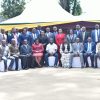
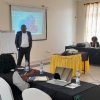
In a proactive move to address the persistent challenge of Neglected Tropical Diseases (NTDs), Trans Nzoia County health stakeholders convened this week to pretest and validate health communication materials designed for community education and behavior change.
The session, steered by Dr. Musundi, the County NTD Coordinator, brought together a cross-section of community representatives at a validation workshop aimed at ensuring the relevance and impact of the materials before mass dissemination.
“When we take these materials to the community, we want them to be relevant and well-received,” said Dr. Musundi. “This session allows us to make improvements based on direct stakeholder feedback.”
Focus on Hygiene and Disease Prevention
The materials underscore the importance of household hygiene practices, particularly proper latrine use, to curb the spread of common parasitic infections like intestinal worms and bilharzia — which remain prevalent across the region.
Dr. Musundi emphasized that while awareness campaigns exist, effective community engagement begins with contextualized, easy-to-understand messaging tailored to the local audience.
Inclusive Public Participation
The session was notable for its inclusive approach, with representatives from religious institutions, youth groups, and persons with disabilities actively participating in reviewing the communication tools.
Participants appreciated the opportunity to contribute insights, affirming that public participation not only enhances material effectiveness but also fosters ownership and trust within the community.
“Sometimes we think we’ve done our best, but local insights are invaluable,” said Clare Amuyunzu of the African Institute for Health and Development (AIHD), the partner organization supporting the initiative. “This validation process helps us refine the tools to ensure they speak to the real needs of the people.”
Multi-County Feedback for Broader Impact
The feedback-gathering effort spans four counties — Bungoma, Vihiga, Kakamega, and Trans Nzoia — aiming to ensure that the final tools are culturally sensitive, geographically appropriate, and aligned with diverse community dynamics.
School Health Findings Spark Renewed Concern
Anne Limo, a Public Health Officer involved in school health programs, commended AIHD for reviving focus on diseases often assumed to be under control.
“We thought schistosomiasis was no longer an issue here, but we’re learning our people are still affected. This collaboration has opened our eyes,” she noted.
Toward a Community-Led Health Strategy
As Trans Nzoia confronts the burden of NTDs, this validation process signals a shift toward more inclusive and evidence-based health communication strategies.
By aligning tools with the lived realities of the communities they serve, stakeholders hope to foster greater behavior change, reduce disease prevalence, and empower residents with actionable knowledge.
Key Outcomes:
✔️ NTD sensitization tools validated through inclusive stakeholder feedback
✔️ Hygiene and sanitation practices emphasized to combat parasitic infections
✔️ AIHD commended for promoting localized communication
✔️ Multi-county collaboration ensures wide relevance
✔️ Renewed awareness of persistent diseases like schistosomiasis
The county’s approach highlights that health empowerment starts with informed communities — and that inclusive communication is a powerful tool in the fight against disease.