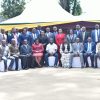
Trans Nzoia County joined the global community in marking World Prematurity Day with an event at the Wamalwa Kijana Teaching and Referral Hospital, where healthcare leaders emphasized the urgent need for improved maternal health practices and specialized care for premature infants.
Highlighting Prematurity Challenges
Dr. Anthony Wamalwa, the hospital’s medical superintendent, addressed the critical challenges faced by families and healthcare providers in managing preterm births.
“Prematurity remains a leading cause of newborn mortality at our facility’s newborn unit. Babies born before 28 weeks require highly specialized care to survive,” he stated.
Dr. Wamalwa encouraged women of reproductive age to prioritize health check-ups before conceiving and stressed the importance of attending all eight recommended antenatal clinic visits during pregnancy. Regular screenings, such as blood tests, ultrasounds, and nutrition counseling, are also crucial for early detection and intervention.
“We encourage women to attend clinics with their partners. The husband’s involvement can significantly support the mother during her pregnancy journey,” he added.
Improved Facilities for Preterm Care
Rose Wangila, head of reproductive health at the hospital, highlighted strides made under Governor George Natembeya’s leadership.
“We’ve installed 16 incubators at the Wamalwa Kijana Teaching and Referral Hospital, ensuring premature babies receive the specialized care they need to survive and thrive,” Wangila said.
She commended healthcare staff for their dedication, sharing success stories of premature babies overcoming challenges and thriving.
Strategic Partnerships Driving Progress
USAID AMPATH Uzima has been instrumental in bolstering Trans Nzoia’s maternal health services. Program manager Nobra Mutuku outlined the organization’s contributions, including equipment provision, healthcare worker training, and community awareness campaigns.
“We’ve supported Trans Nzoia County with training, mentorship, and resources for newborn units, as well as leadership and governance training for county leaders,” Mutuku said.
The program’s initiatives in reproductive health, nutrition, and infection prevention have boosted maternal health service uptake.
“Our goal is to ensure sustainability of these services for the mwananchi. The progress we’ve seen reflects the dedication of healthcare workers and the value of strategic partnerships,” she added.A Platform for Gratitude
The celebrations also served as an opportunity for mothers to express their gratitude for the care they received at the facility, underscoring the importance of continued investment in maternal and neonatal health services.