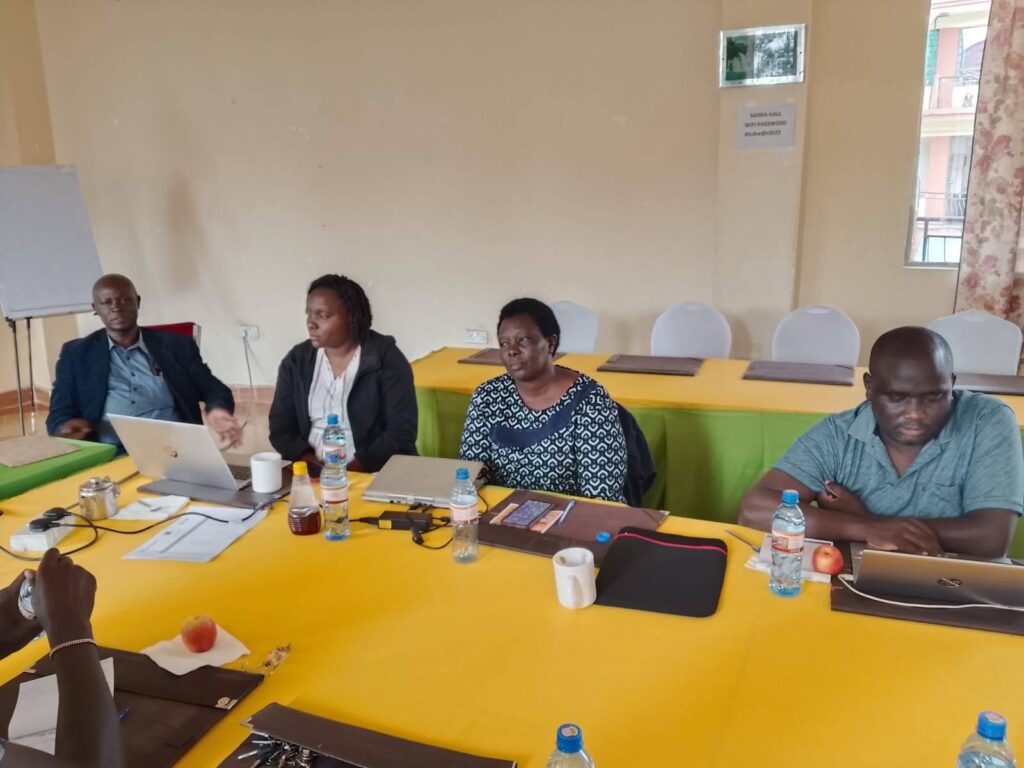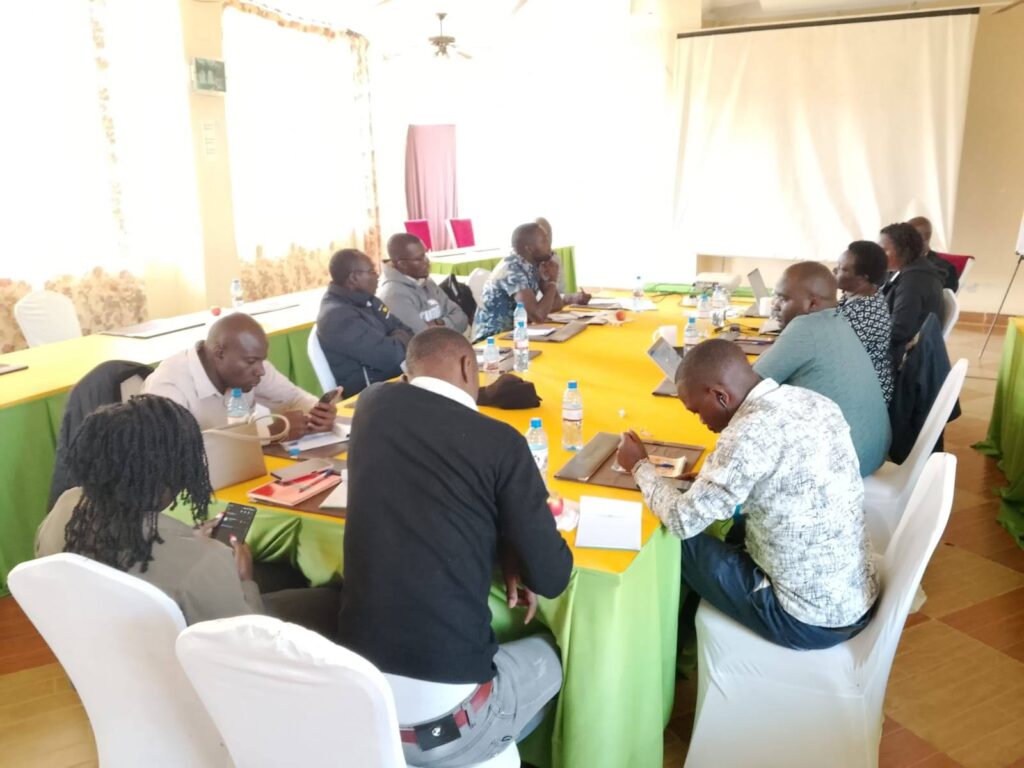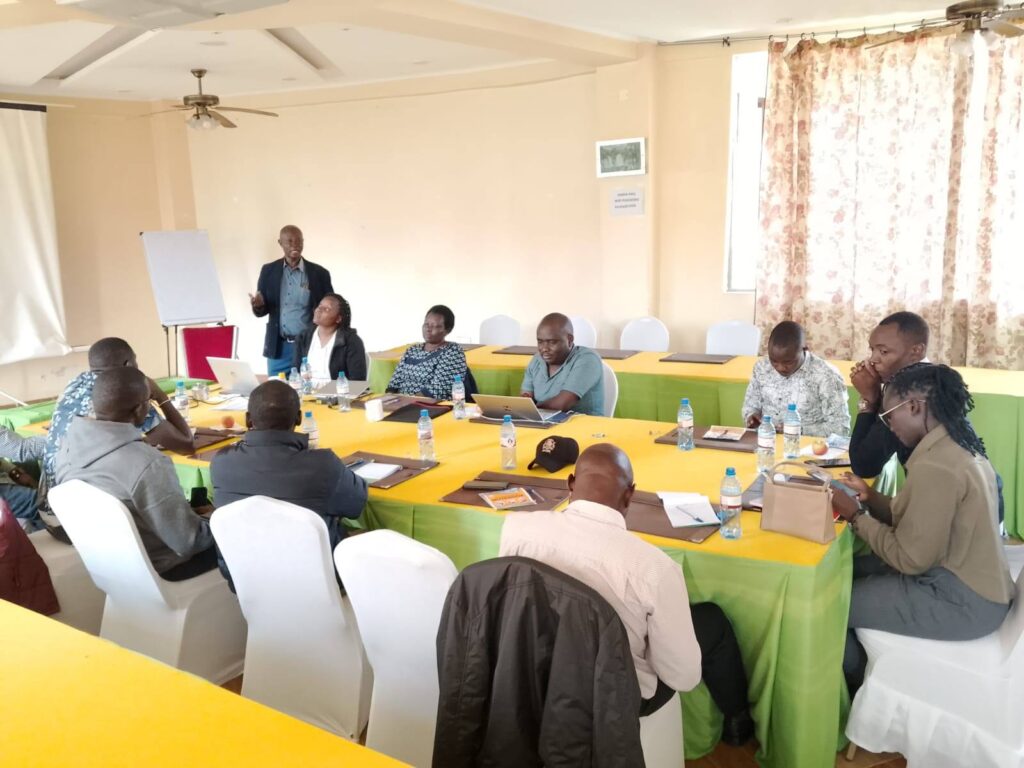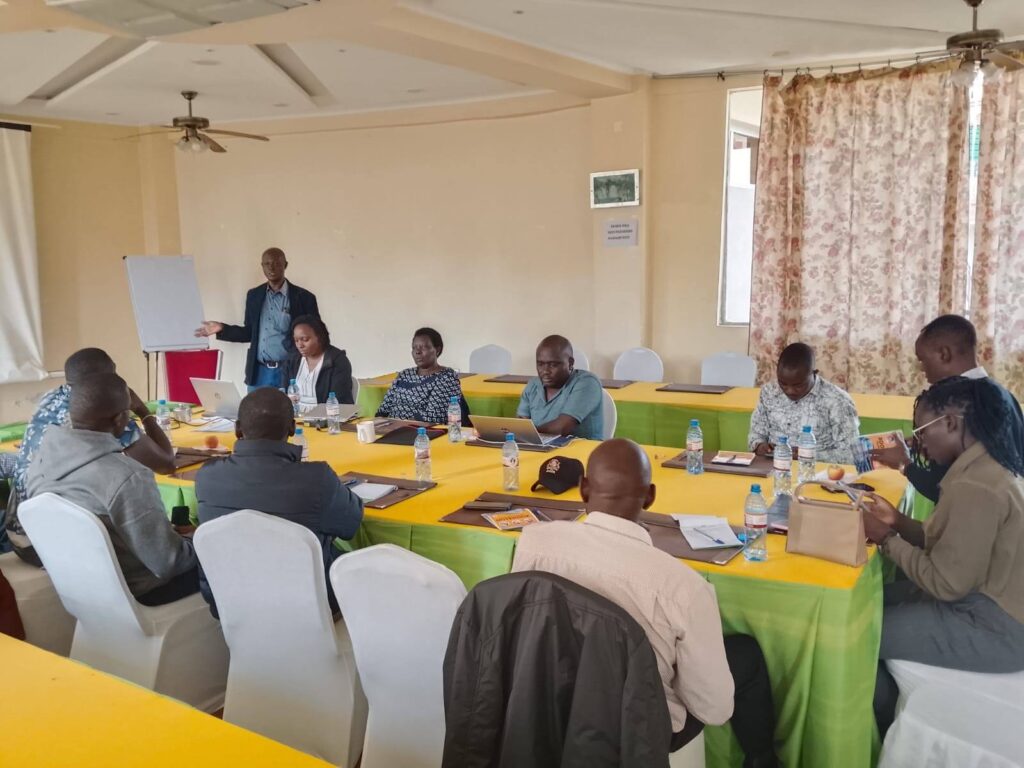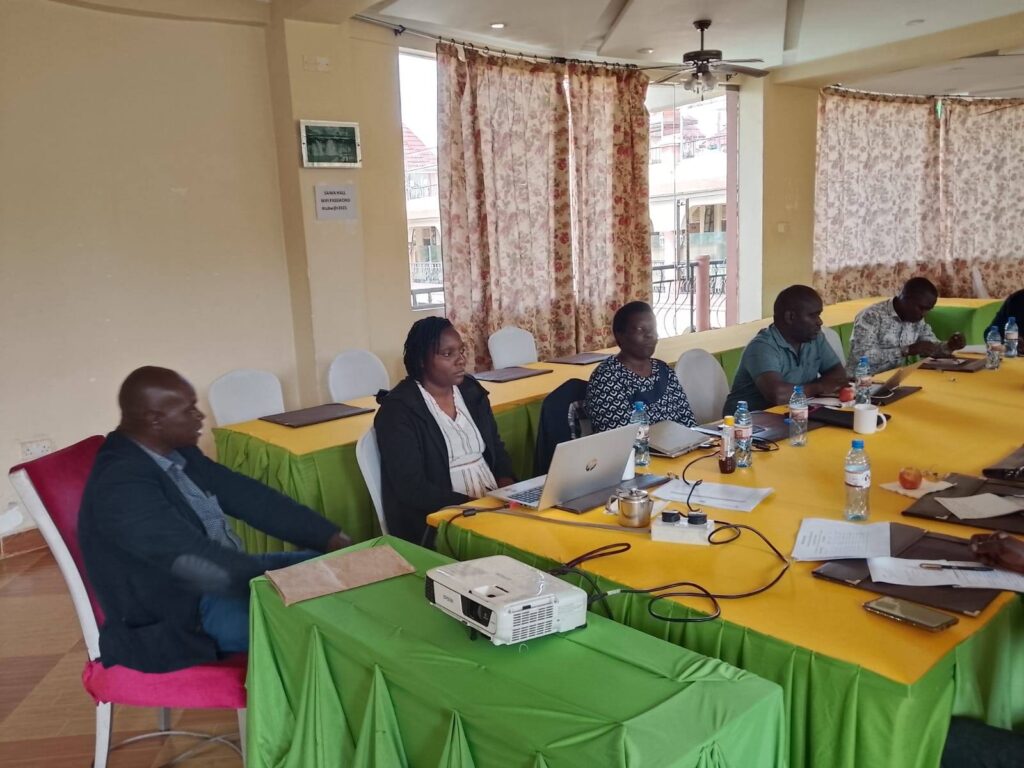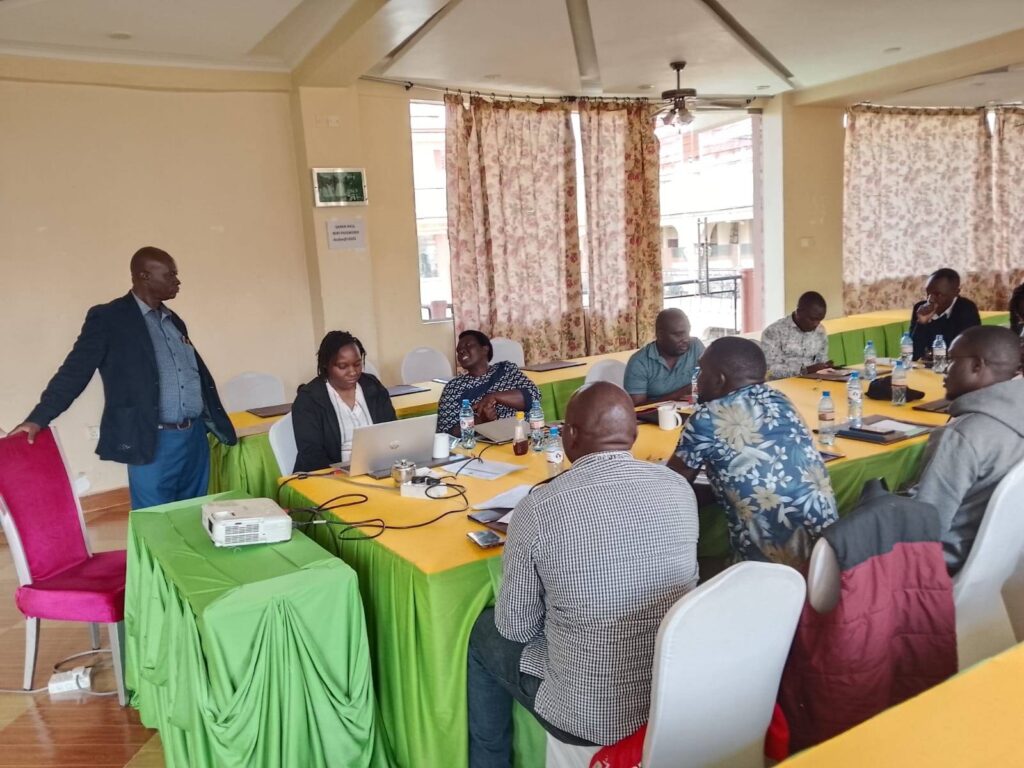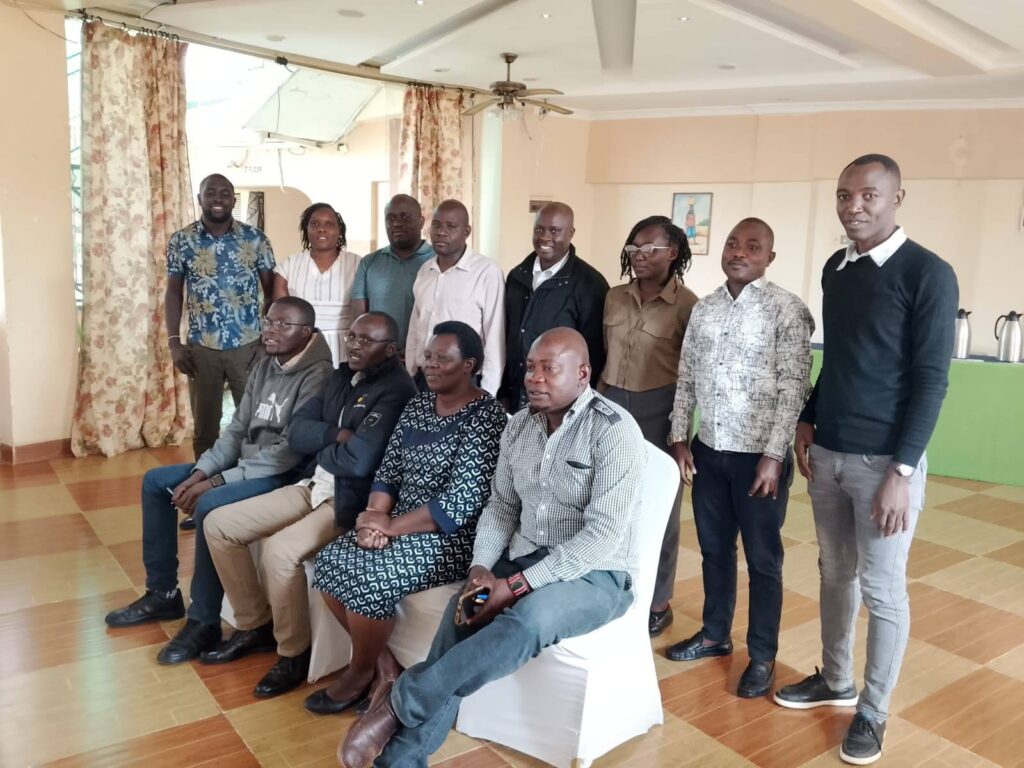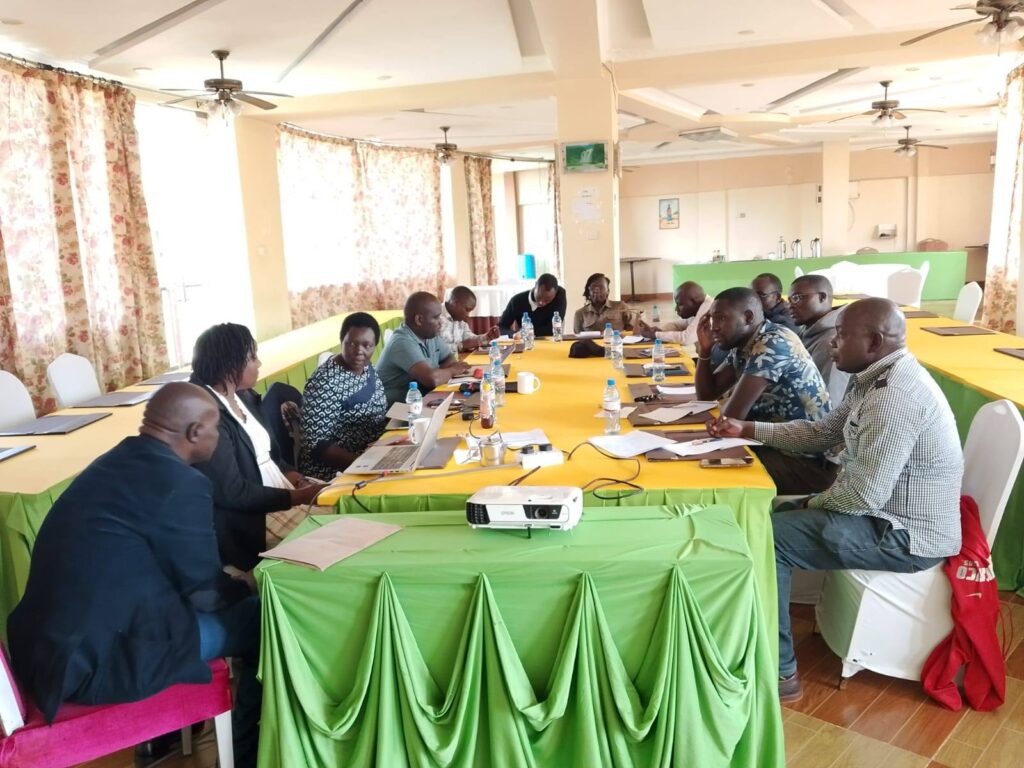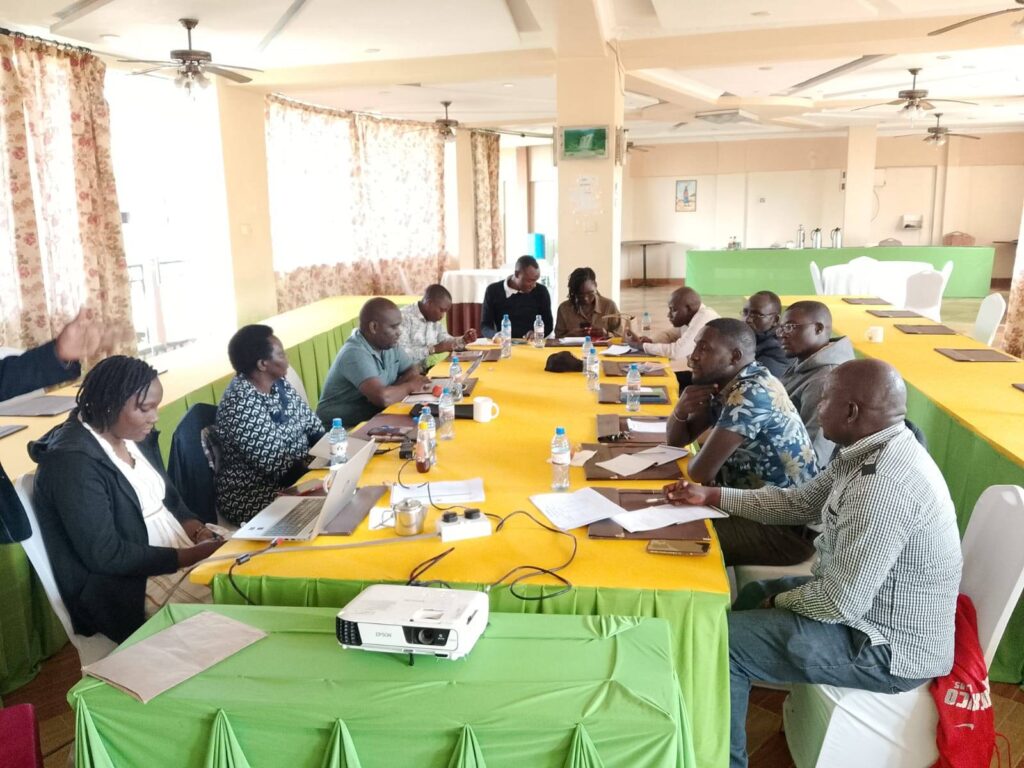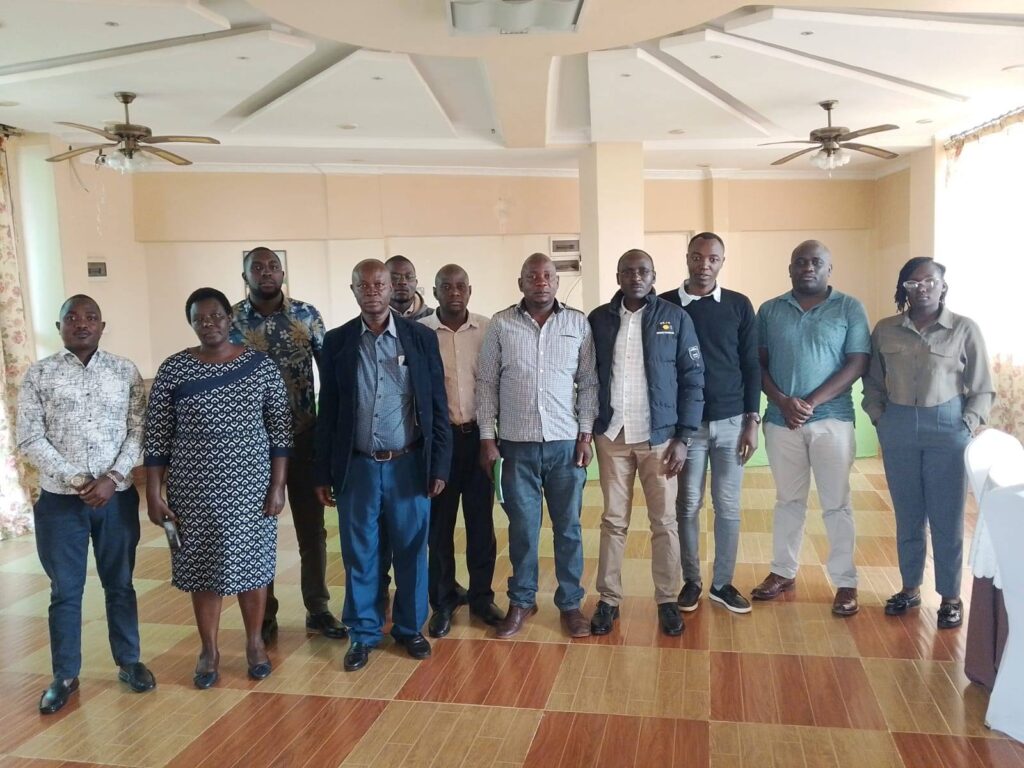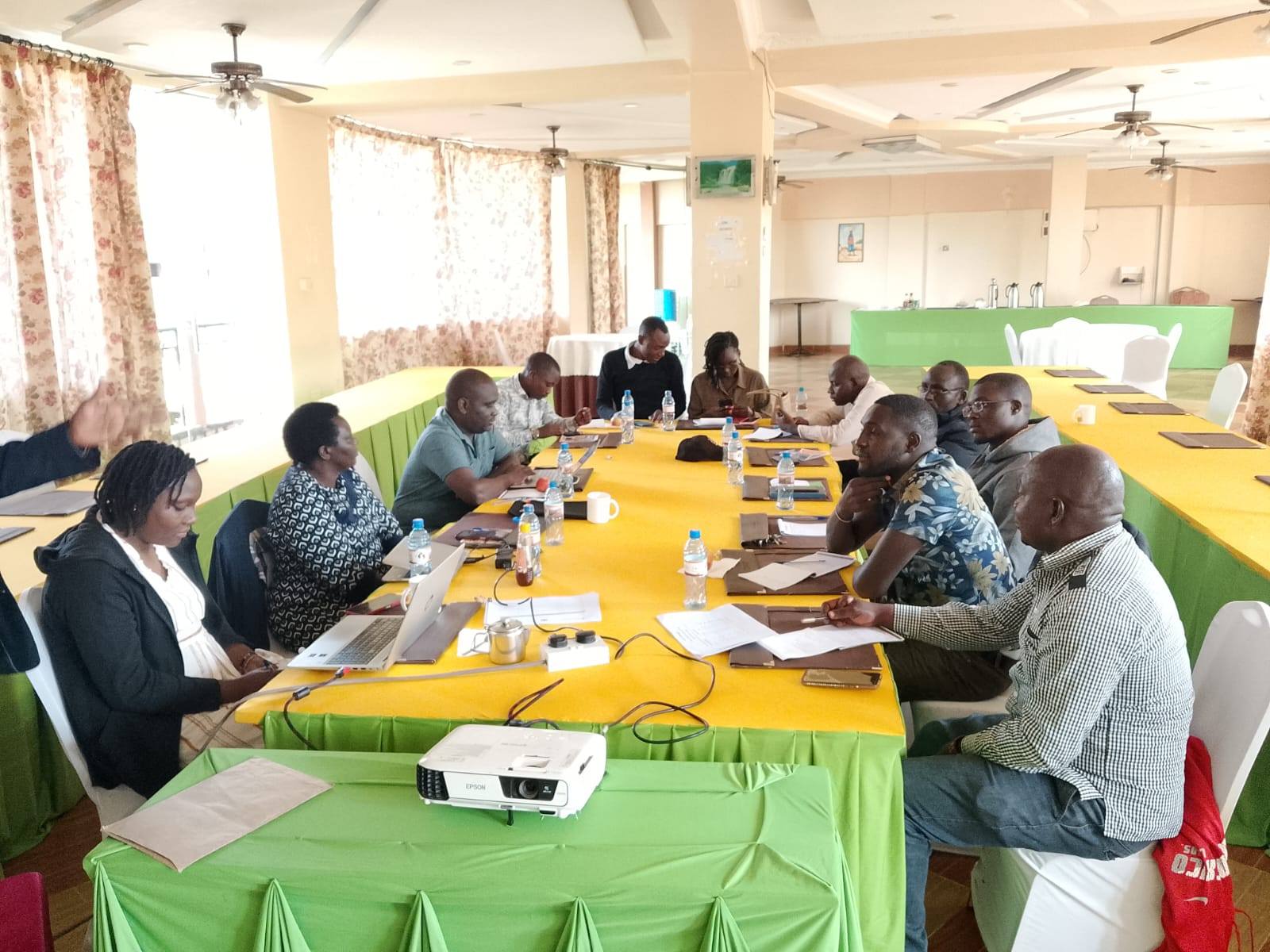
Trans Nzoia County this week hosted a media sensitization and training forum targeting journalists and field reporters to enhance coverage and public education on Neglected Tropical Diseases (NTDs). The one-day session is part of a national strategy aligned with the Kenya National Master Plan for NTD Elimination, with support from the African Institute for Health and Development (AIHD).
“Media shapes public perception and influences behavior; hence, journalists must be well-equipped to inform communities about NTDs and their prevention,” said Dr. Norbert Musundi, County NTD Coordinator, during the forum.
Strategic Use of Vernacular Media for Targeted Messaging
The initiative specifically targets five western Kenya counties — Trans Nzoia, Kakamega, Vihiga, Bungoma, and Busia — with a special focus on vernacular and community radio stations, known for their wide reach and cultural relevance in low-income rural areas.
Dr. Musundi emphasized that these platforms are effective in delivering localized, relatable content about diseases such as intestinal worms and bilharzia, which continue to affect populations despite significant progress.
Prevalence Decline and Ongoing Interventions
According to World Health Organization (WHO) classifications, areas with worm and bilharzia prevalence below 2% are considered free of active transmission. Encouragingly, more than nine wards in Trans Nzoia County fall under this category, with Keiyo Ward in Kwanza Sub-County noted as the exception due to higher bilharzia prevalence.
Dr. Musundi attributed this success to mass drug administration (MDA) efforts by AIHD and AMREF Kenya, confirming that two successful MDA rounds have been completed, with a third round set to begin soon.
Building a Multi-Sectoral Advocacy Network
AIHD’s Clare Amuyunzu reiterated the importance of engaging media alongside health workers, educators, and community leaders to form a robust network of advocates for NTD elimination.
“Building a multi-sectoral network of advocates will ensure consistent messaging and mobilization of resources for NTD prevention and control,” she said.
The media engagement strategy is also geared toward driving political commitment, enhancing community demand for NTD-related services, and fostering sustained behavior change.
Call for Continued Support and Community Involvement
Anne Limo, Trans Nzoia’s Public Health Officer, called for increased resource allocation and greater community involvement to sustain the progress made in NTD prevention. She highlighted the media’s potential in amplifying health messages and mobilizing grassroots action.
“NTDs are geographically and culturally influenced; thus, localized media interventions are crucial for sustainable impact,” Limo said.
Key Takeaways:
✔️ Journalists trained on NTD awareness and media’s role in behavior change
✔️ Vernacular radio prioritized for targeted community outreach
✔️ Nine wards in Trans Nzoia report <2% NTD prevalence
✔️ Multi-sector collaboration encouraged for long-term NTD control
✔️ Upcoming third round of MDA set to reinforce health gains
As Kenya intensifies efforts to combat NTDs, initiatives like this media training underscore the transformative role of informed, localized communication in achieving a healthier, NTD-free future.