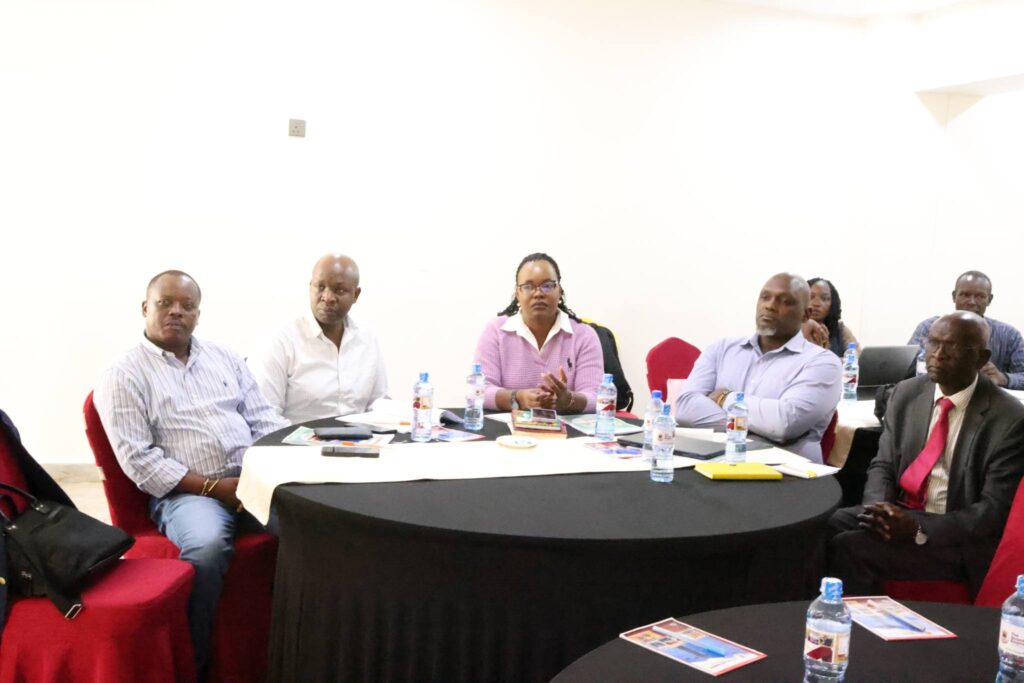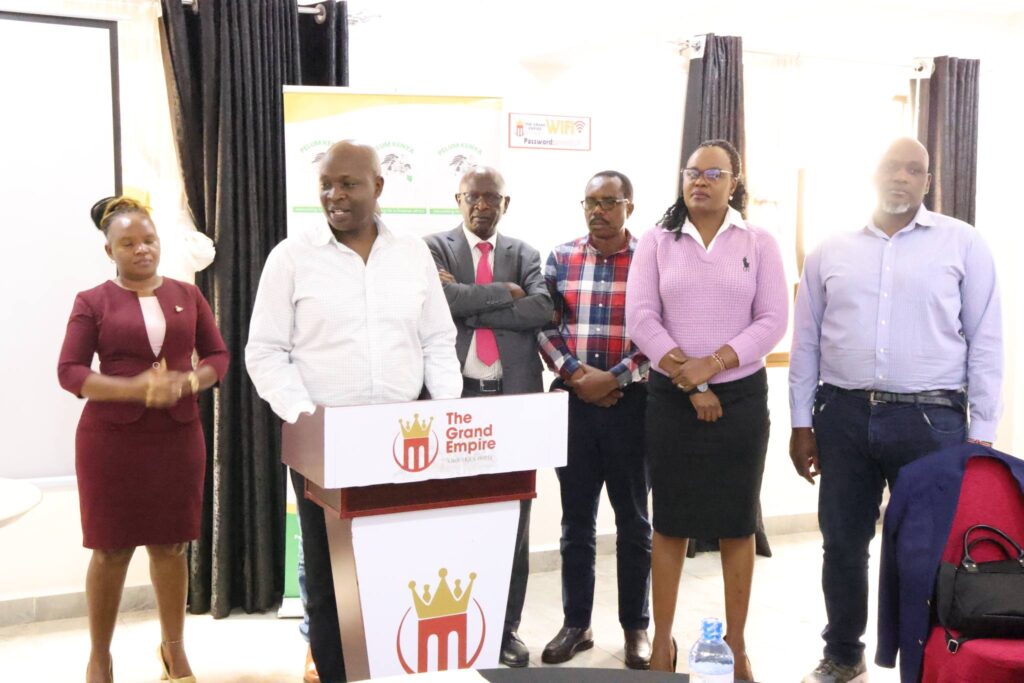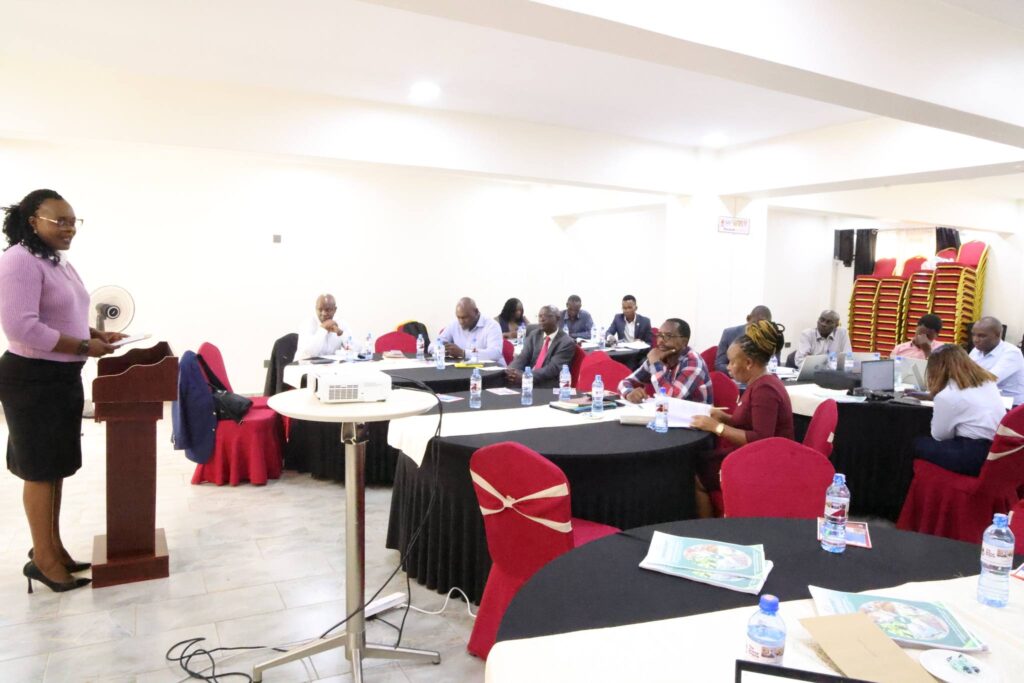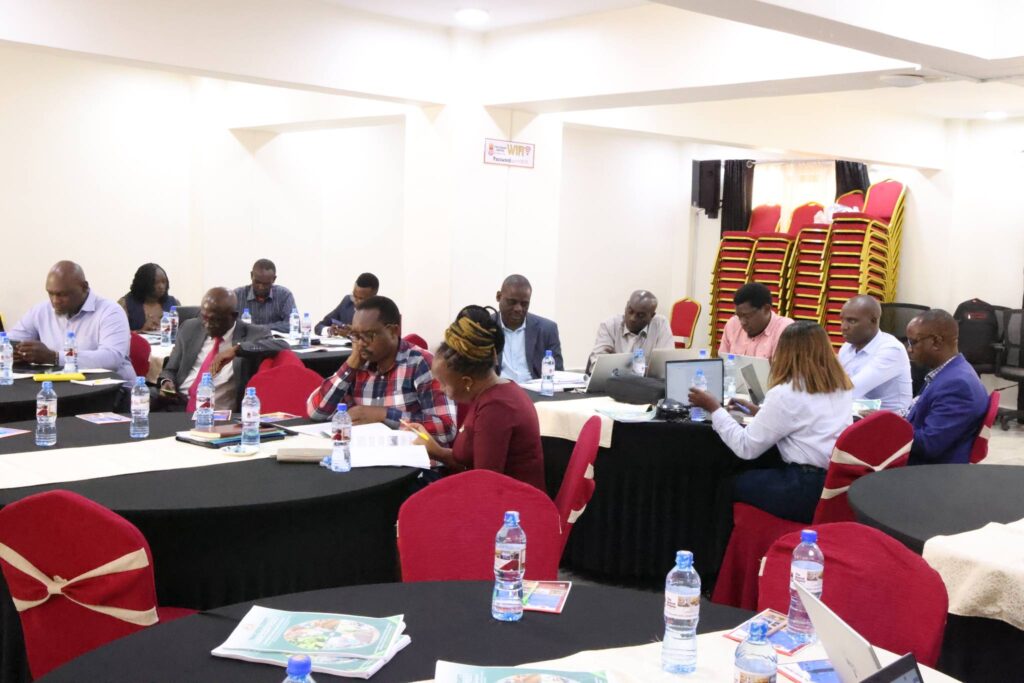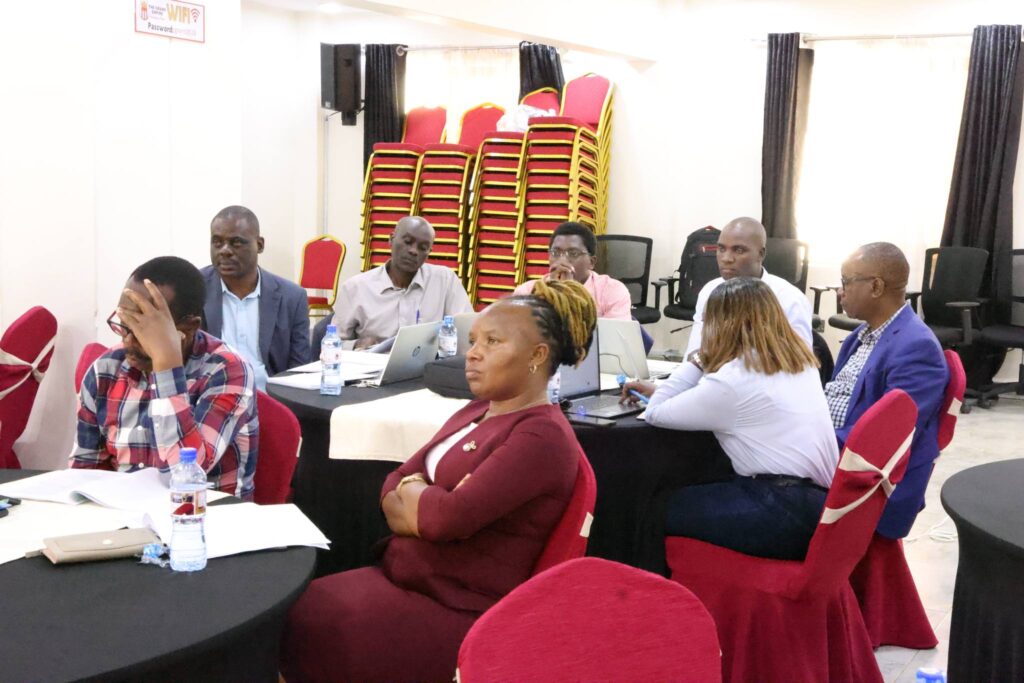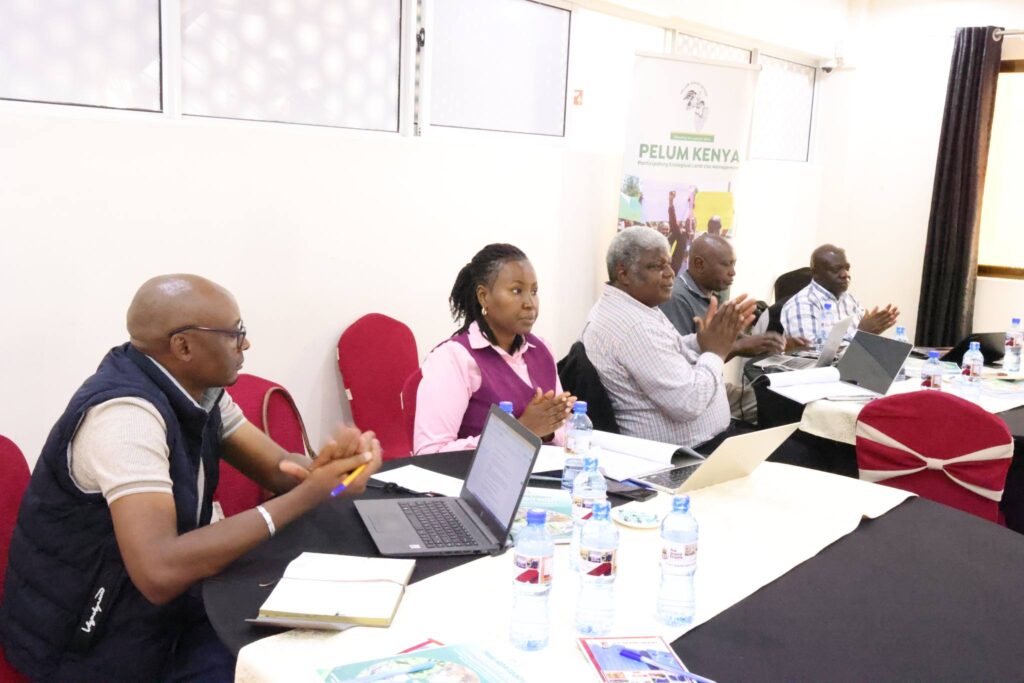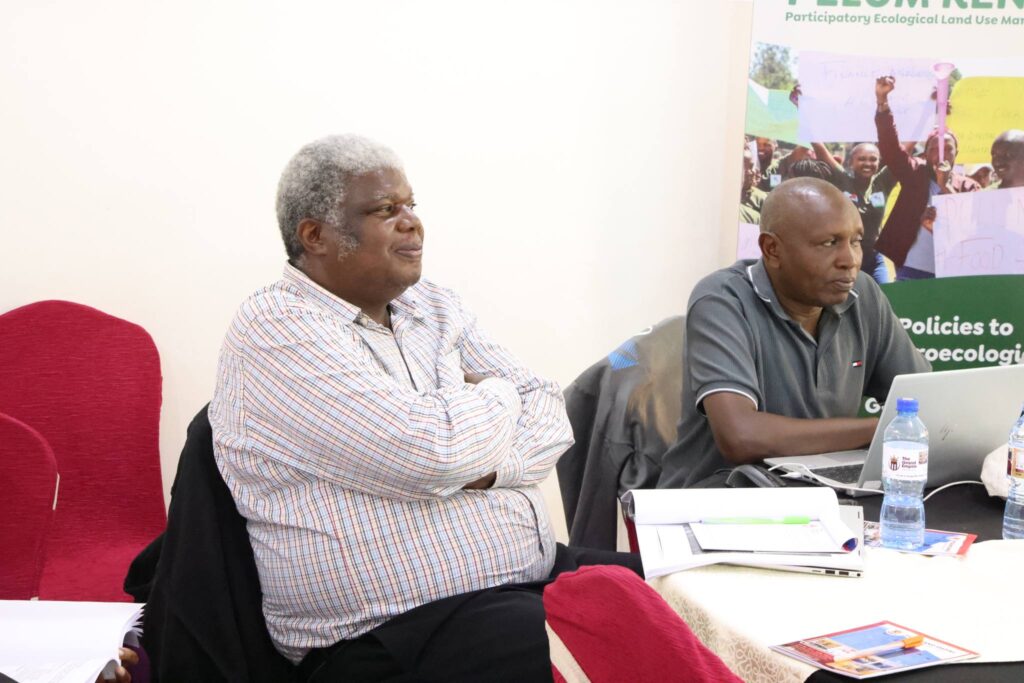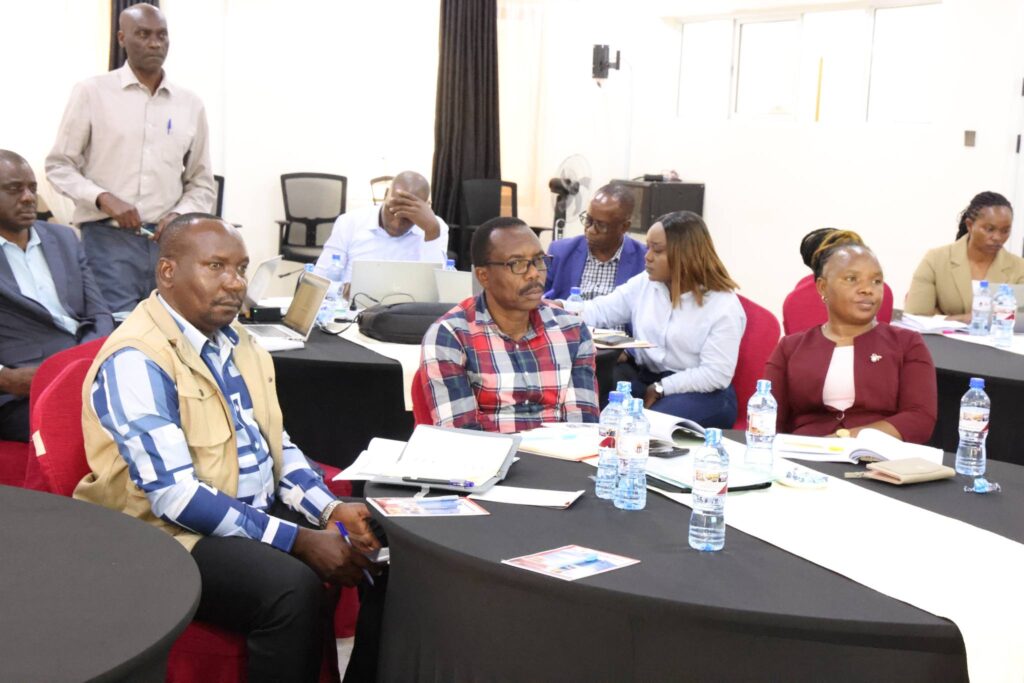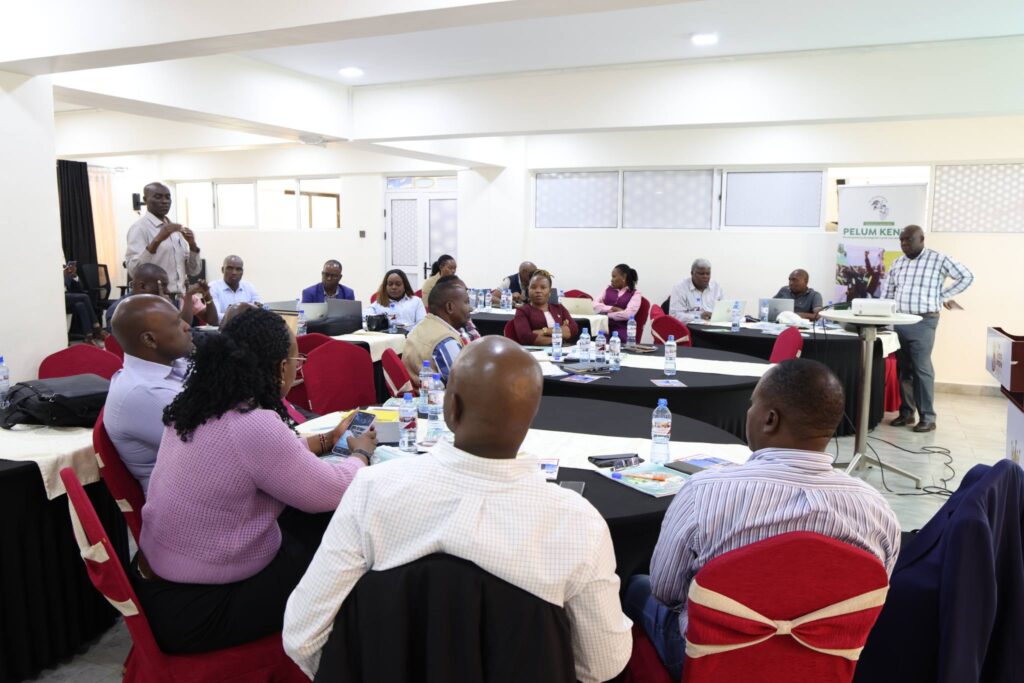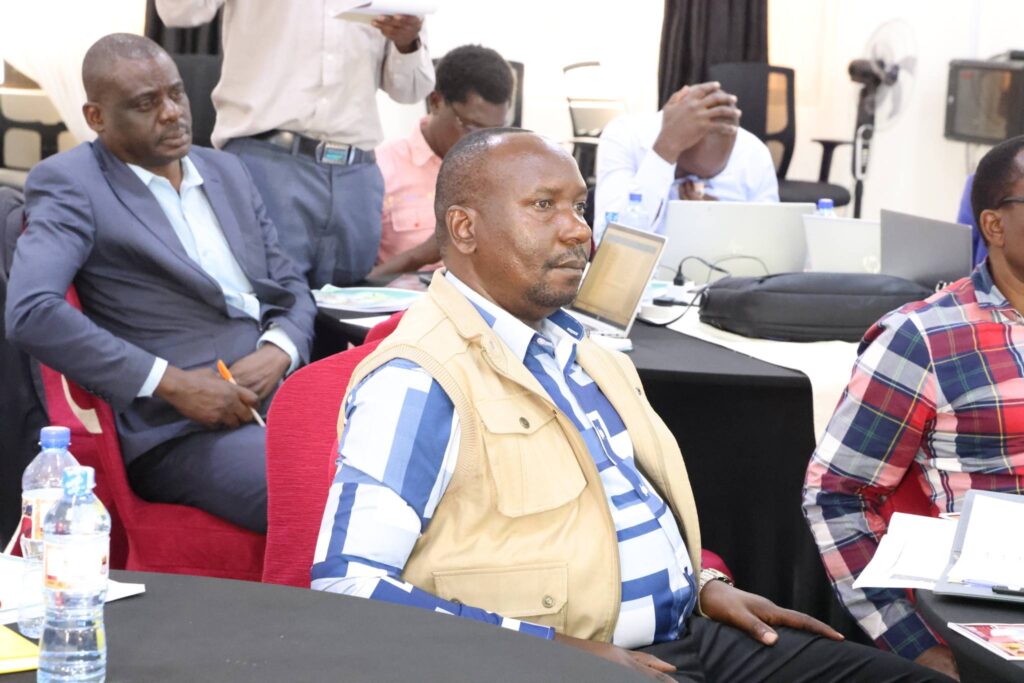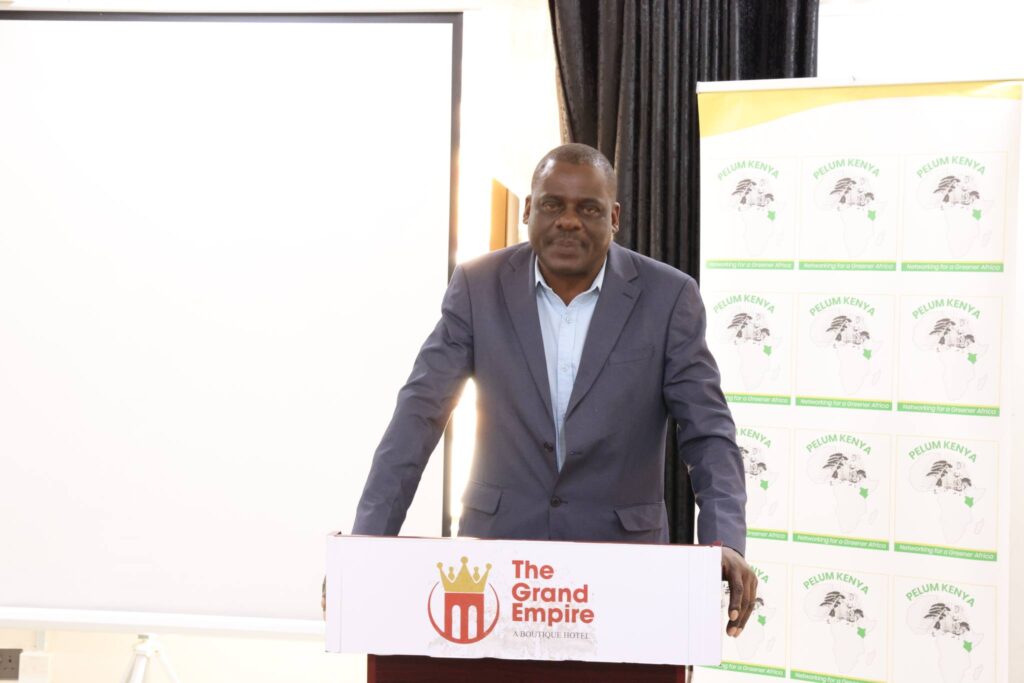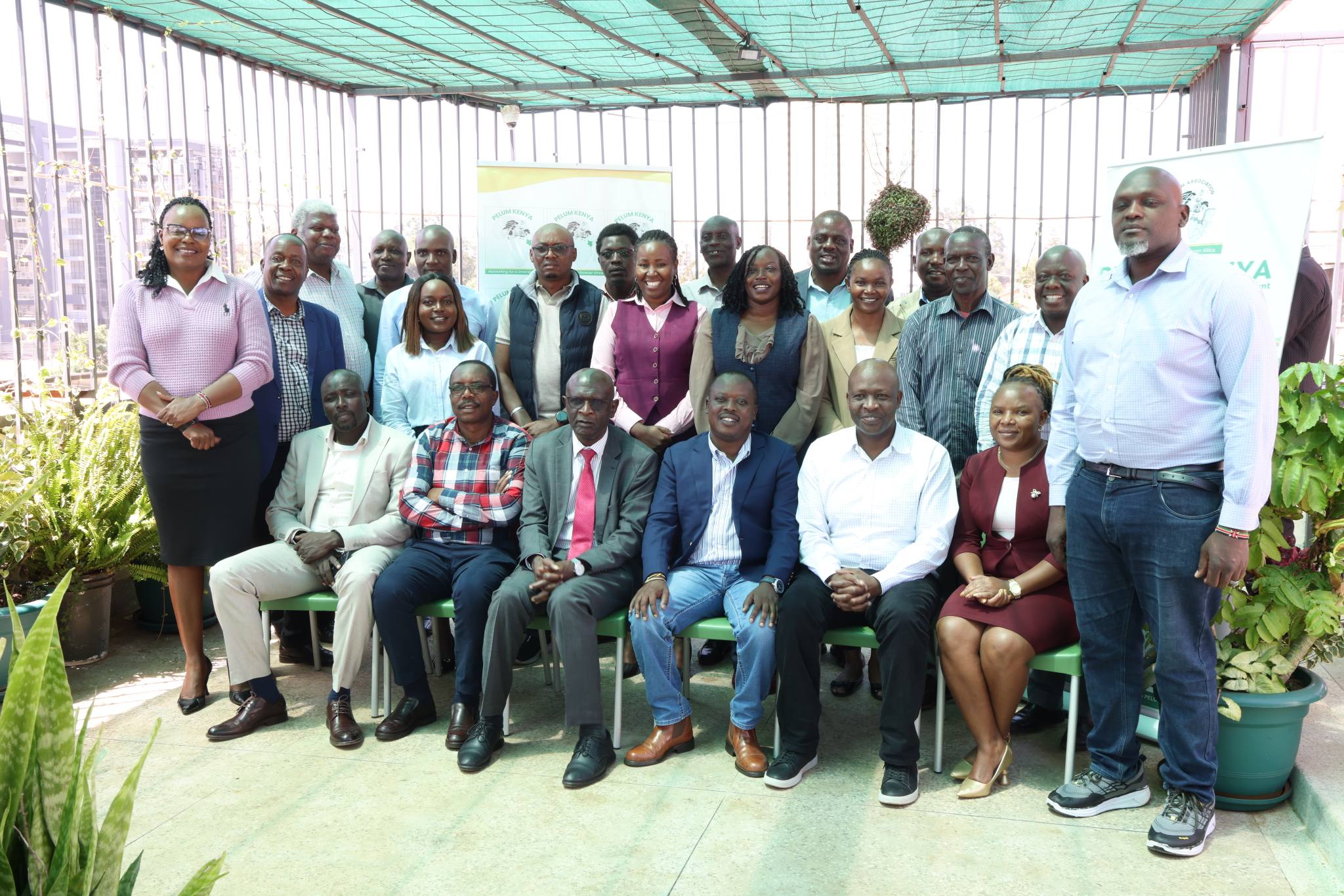
The County Government of Trans Nzoia has intensified efforts toward achieving sustainable agricultural transformation after the Department of Agriculture, Irrigation, Livestock and Fisheries conducted a sensitization session for members of the County Executive Committee on the draft Agroecology Policy.
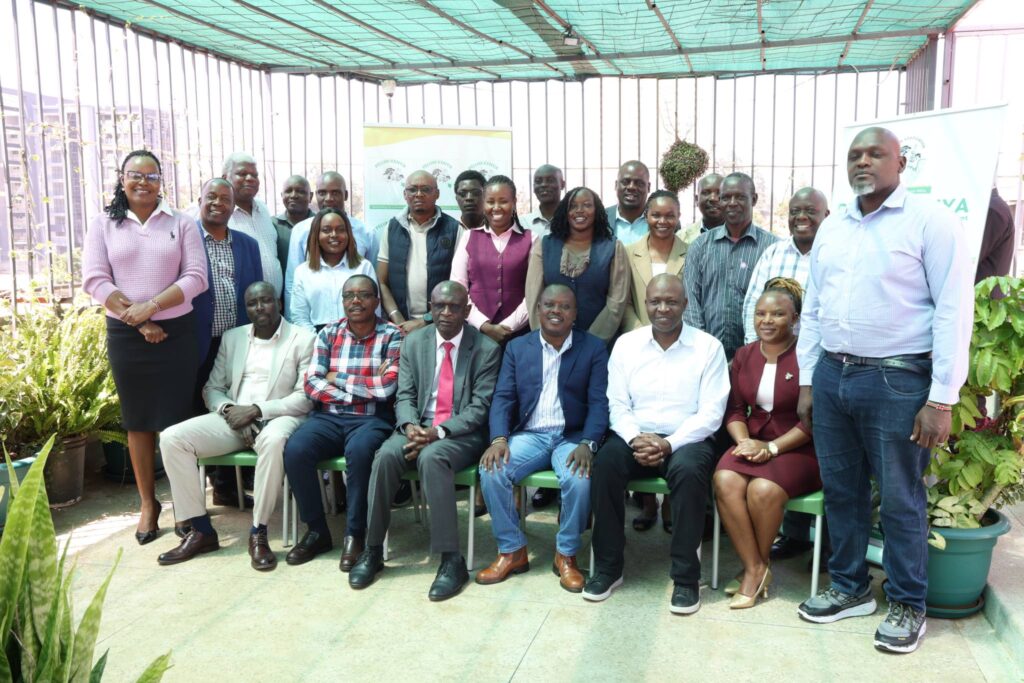
The meeting brought together County Executive Committee Members (CECMs), technical officers, development partners, and agriculture stakeholders to review the progress of the policy development process and deliberate on key proposals contained in the draft document.
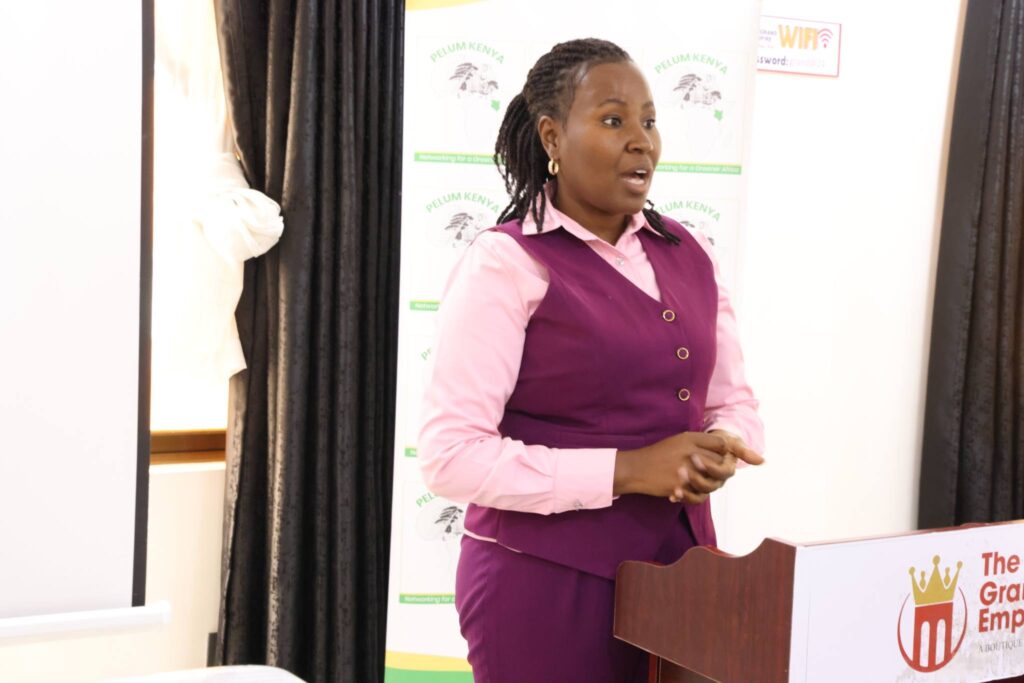
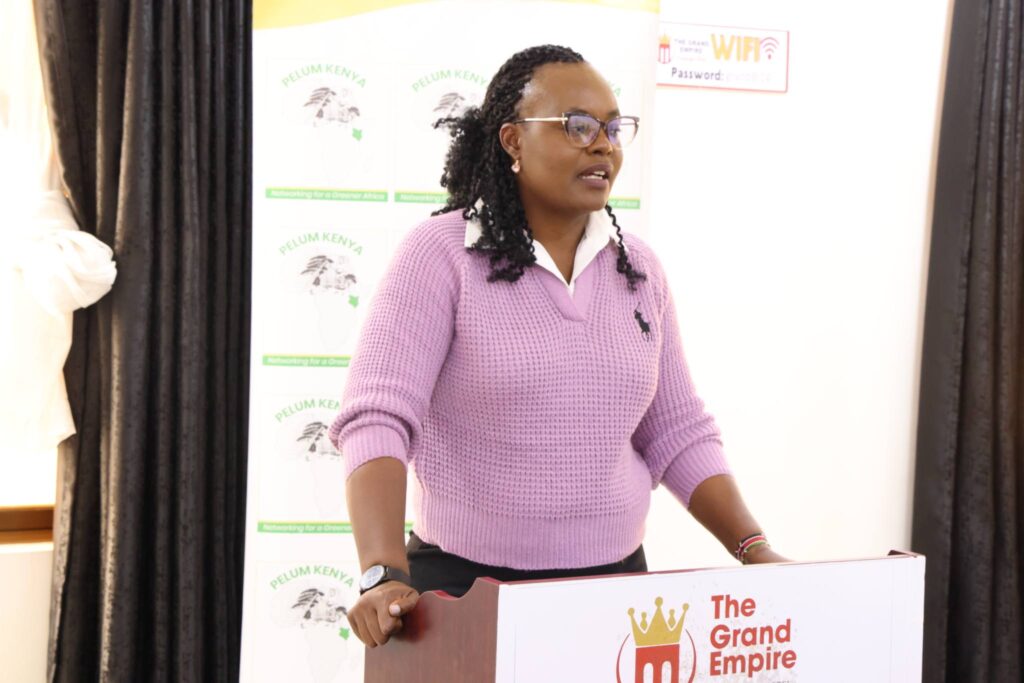
County Executive Committee Member for Agriculture, Phanice Nalika Khatundi, described the proposed policy as a transformative framework designed to guide environmentally sustainable, socially inclusive, and economically viable agricultural development across the county.
“We want to work with nature rather than against it, to produce food in ways that are sustainable, viable and inclusive,” said Khatundi.
She explained that the policy integrates indigenous knowledge, scientific innovation, and local farming practices to strengthen agricultural productivity while protecting the environment and improving livelihoods.
Policy Targets Climate Resilience and Agricultural Sustainability
According to the Department of Agriculture, the draft Agroecology Policy seeks to address several long-standing challenges affecting agricultural production and environmental sustainability in Trans Nzoia County.
The policy outlines strategies aimed at improving soil health, restoring ecosystems, enhancing climate resilience, promoting biodiversity conservation, and addressing nutrition and food security concerns.
Khatundi noted that the sensitization forum was intended to enable County Executive Committee Members to interrogate the document and provide further input before the policy advances to the next stages of approval.
“The team will interrogate the document and provide inputs to strengthen it,” she stated.
🟢 Key Areas the Policy Intends to Address:
✔️ Soil health degradation
✔️ Declining agrobiodiversity
✔️ Poor climate resilience
✔️ Ecosystem degradation
✔️ Nutrition and food security gaps
✔️ Farmer capacity building
✔️ Enterprise development and market access
✔️ Gender inclusion in agriculture
✔️ Coordination and policy implementation challenges
County Prioritizes Ecological Farming Practices
Trans Nzoia County Director of Agriculture, Simion Mwombe, highlighted several priority interventions proposed under the agroecology framework aimed at restoring environmental sustainability while improving agricultural productivity.
Among the key focus areas are integrated soil fertility management, organic restoration, crop diversification, agroforestry, ecological pest management, and improved water conservation practices.
“We want to restore degraded landscapes, improve water use efficiency and strengthen ecosystem resilience,” Mwombe explained.
The director further revealed that members of the County Assembly Agriculture Committee are expected to review the draft policy before it is subjected to public participation across the county.
Following stakeholder and public input, the policy will then be presented to the County Cabinet for consideration and approval before the end of next month.
Framework Proposes Dedicated Agroecology Funding and Governance Structure
Lead consultant for the draft policy, Edward Masinde, emphasized the importance of establishing strong governance systems and adequate financing mechanisms to ensure successful implementation.
Masinde disclosed that the proposed framework recommends the formation of an Agroecology Multi-Stakeholder Forum to coordinate implementation and oversight.
“If approved, the policy will ensure inclusion and equity. The framework will be led by an Agroecology Multi-Stakeholders Forum, with at least 10 percent of the agriculture budget allocated to agroecology,” he stated.
The proposed allocation is expected to support farmer training, sustainable farming programs, ecological restoration initiatives, and research-driven agricultural innovation.
County Sees Agroecology as a Driver of Economic Growth and Food Security
Director of Crops Kenneth Kagai outlined the potential economic and social benefits expected from the adoption of the policy.
According to Kagai, agroecology presents opportunities for reducing production costs, increasing agricultural productivity, attracting investment, creating employment opportunities, and improving long-term public health outcomes.
📢 Expected Benefits of the Agroecology Policy:
✔️ Increased food security
✔️ Lower farm input costs
✔️ Improved soil fertility and productivity
✔️ Enhanced climate adaptation
✔️ Employment creation for youth and farmers
✔️ Attraction of green agricultural investments
✔️ Improved public health through safer food systems
He noted that sustainable farming approaches will also strengthen resilience against climate-related shocks that continue to affect farmers across the county.
Development Partners Back County’s Agroecology Agenda
Development partners and agricultural stakeholders attending the meeting pledged support toward implementation of the policy once approved.
Mary Irungu of PELUM Kenya commended the county government for prioritizing sustainable agriculture and assured stakeholders of continued collaboration.
“Partners are ready to support implementation, but this will only succeed if the County commits to pass and implement the policy,” she said.
David Mwangi from Manor House Agriculture Centre Kitale urged county leaders to ensure the policy moves beyond documentation into actual implementation.
“Many good policies end up gathering dust. This one must be approved and implemented to benefit the people of Trans Nzoia,” he stated.
Multi-Sectoral Collaboration to Drive Implementation
The sensitization meeting was attended by several County Executive Committee Members, reflecting the county’s intention to implement the policy through a multi-sectoral approach.
Among those present were:
🔹 Gideon Barongo – Roads and Public Works
🔹 Robert Wamalwa – Water, Environment and Climate Change
🔹 Janereso Nasimiyu Mutama – Education and Vocational Training
🔹 Pius Gumo – Lands and Housing
🔹 Patrick Gacheru – Trade and Industrialisation
🔹 Christopher Lorot – Health and Sanitation
🔹 Eliud Tormoi – Sports, Gender, Youth and Culture
The leaders emphasized the important role their respective departments will play in supporting sustainable agriculture, environmental conservation, public health, youth empowerment, and economic development at the grassroots level.
County Moves Closer to Sustainable Agricultural Transformation
As Trans Nzoia advances the Agroecology Policy toward public participation and eventual approval, county leaders remain optimistic that the framework will position the county as a model for sustainable and climate-smart agriculture in Kenya.
✔️ Draft policy sensitization completed
✔️ County Assembly Agriculture Committee set for review
✔️ Public participation forums planned
✔️ Cabinet approval process expected next month
✔️ Multi-sectoral support and partner backing secured
The county government has reiterated its commitment to building an agricultural system that protects the environment, empowers farmers, strengthens food security, and supports long-term economic growth for residents of Trans Nzoia.