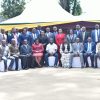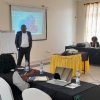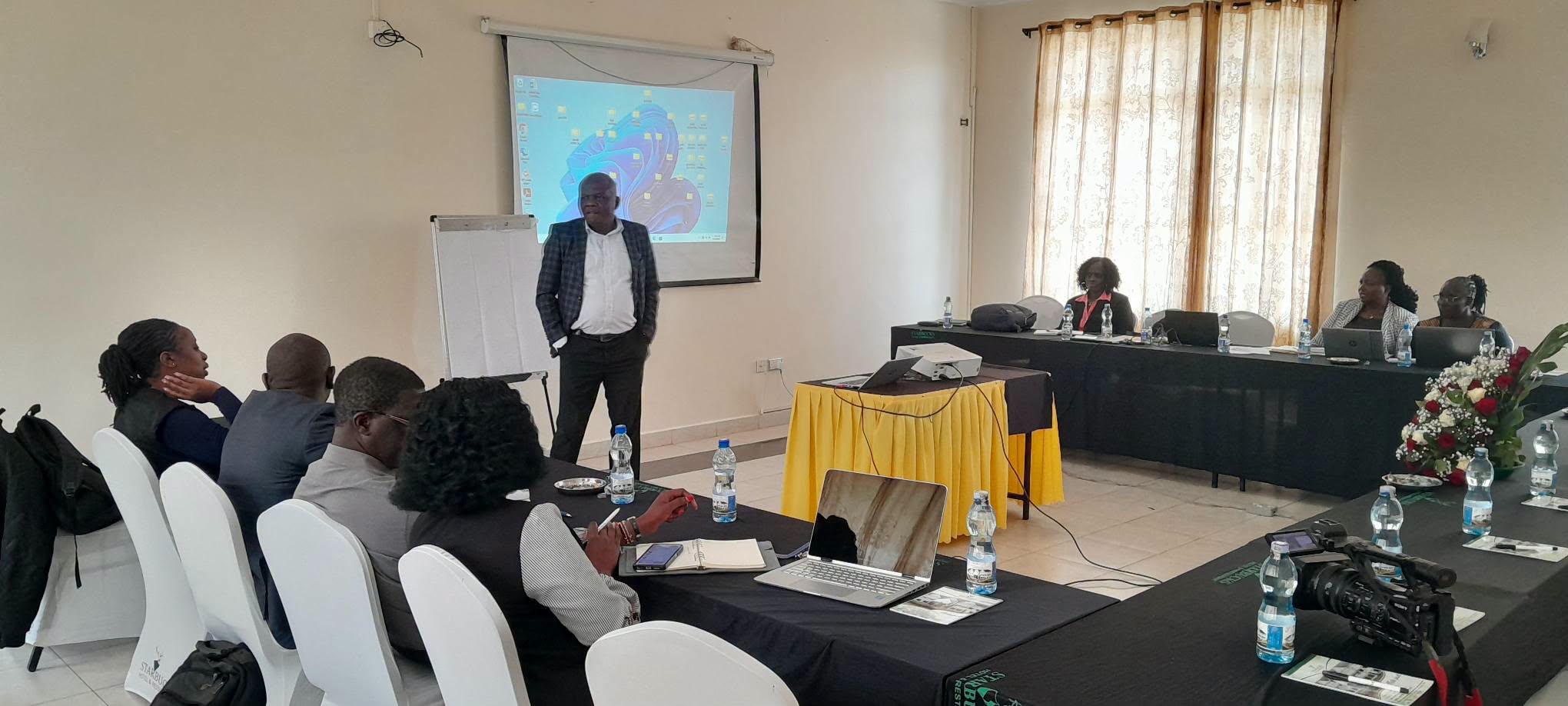
The County Government of Trans Nzoia has conducted a sensitization meeting for the Public Service Board on skills gap analysis and discipline in human resource management under the Kenya Devolution Support Programme Phase II (KDSP II).
The two-day training, supported by the World Bank, the State Department of Devolution and the county government, aimed at strengthening service delivery through better management of the public service.
Speaking during the opening, County Director of Human Resource and KDSP II Coordinator, Ms Emeldah Agoi, said the training was vital for the board. “This programme equips our members with key issues on managing the county public service and identifying gaps to ensure efficient service delivery to the people of Trans Nzoia,” she said.
Ms Agoi applauded the board members for sparing time from their busy schedules to attend together with their technical staff. She added that the sessions also provided an opportunity for bonding between the board, the county executive human resources team and KDSP II officials. “The main goal of KDSP II is to enhance service delivery through human resources, and the Public Service Board is a key stakeholder in this project,” she noted.
Mr Jackson Alwaga from the State Department of Public Service took the team through skills gap analysis. He explained that the training involves systematically identifying gaps between current employee skills and the competencies required to deliver on government priorities. “It ensures targeted training, efficient use of resources, and builds a competent, future-ready workforce aligned with national development goals,” he said.
The trainer outlined that skills gap analysis entails assessment of current skills, identification of gaps, training needs assessment, performance audits, and monitoring and evaluation. He stressed that the objective is efficient resource use, alignment with Vision 2030, accountability, equity in training opportunities, and preparing officers for future readiness with digital literacy and innovative service models.
The team was also trained on discipline in public service management. Mr Alwaga described discipline as the systems, policies and procedures used to regulate employee behaviour and enforce accountability. He highlighted the code of conduct, laid down procedures for handling misconduct, progressive discipline steps, and due process to ensure fairness and transparency.
“Discipline in public service is important for accountability, efficiency, public trust, fairness, compliance with laws, and building a culture of professionalism,” Mr Alwaga said. He concluded with guiding principles for disciplining officers, linking discipline to productivity and service delivery.
The Trans Nzoia County KDSPII KRA2 focal Person Phoebi Buchnju expressed optimism that the training will strengthen the Public Service Board’s role in ensuring integrity, efficiency and professionalism in Trans Nzoia County, attaining the intended programmes reforms in intergovermental coordination, Institutional performance and Human resource management.