Trans Nzoia County health officials, Community Health Promoters (CHPs), and development partners have renewed calls for stronger interventions to improve maternal healthcare services across the county following concerns over low antenatal clinic attendance and delayed access to essential maternal care.
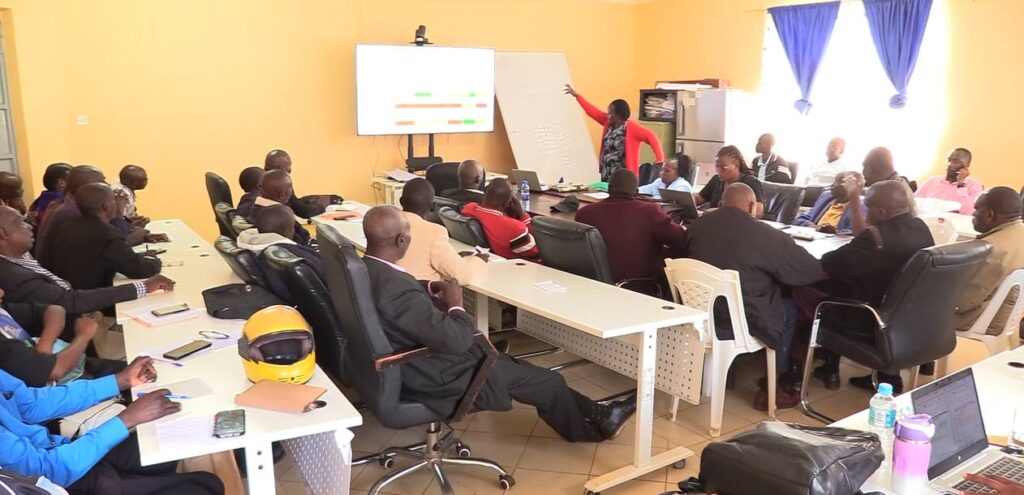
Speaking during a stakeholders’ meeting held at the USAID AMPATH Uzima boardroom, County Chief Officer for Health and Sanitation Dr. Judith Simiyu highlighted several social, economic, and infrastructural barriers that continue to hinder expectant mothers from accessing healthcare services in time.
According to Dr. Simiyu, cultural practices, poverty, and poor road infrastructure remain among the major factors affecting maternal healthcare utilization within the county.
“We have seen delays caused by cultural norms where men dominate decision-making, poverty that limits transport, and poor roads especially during the rainy season,” she explained.
She emphasized that despite the efforts being made by Community Health Promoters to identify, educate, and refer expectant mothers to health facilities, many women still fail to complete recommended antenatal care visits.
“CHPs are doing their part identifying, educating and referring. But without addressing these barriers, referrals don’t always translate into timely care,” Dr. Simiyu stated.
County Prioritizes Community Health Promoters in Maternal Care Strategy
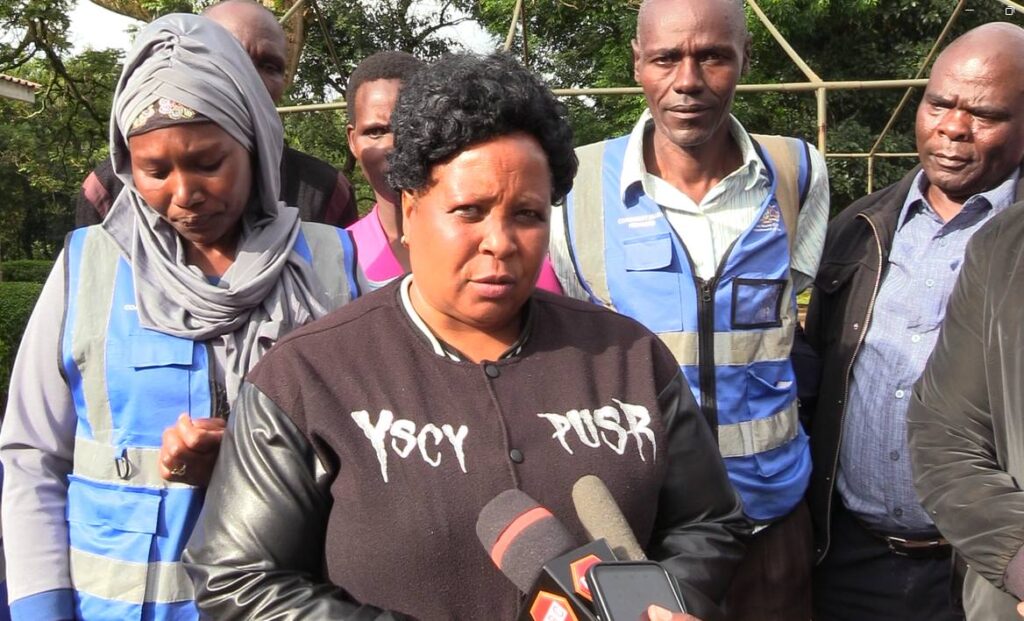
Community Health Coordinator Pamela Semo reaffirmed the county government’s commitment to strengthening community healthcare systems by prioritizing Community Health Promoters in upcoming budget allocations.
Semo described CHPs as critical frontline healthcare workers who play a major role in improving maternal and child health outcomes at the grassroots level.
“We are prioritising CHPs in the upcoming budget. Their work is vital, and the county leadership is committed to supporting them,” she said.
She noted that while many expectant mothers attend antenatal clinics, delayed registration and incomplete clinic attendance remain major challenges affecting maternal healthcare outcomes.
“Clinics report about 70 to 81 mothers attending ANC, but many come late or miss follow-up visits. This is a priority we must tackle,” she added.
Multi-Sectoral Collaboration Identified as Key to Better Maternal Health
Development partners from AMPATH Uzima emphasized the need for a coordinated multi-sectoral approach to address the challenges contributing to low uptake of maternal healthcare services.
RMNCAH/WASH Program Manager Nobra Mutuku, accompanied by Margaret Kamau and Boniface Onditi, commended the county government for bringing together different sectors to collectively address maternal health concerns.
The stakeholders noted that improving maternal healthcare requires collaboration beyond the health sector alone.
🟢 Key Areas Identified for Multi-Sectoral Support:
✔️ Improvement of road infrastructure to ease access to health facilities
✔️ Increased male involvement in reproductive health decisions
✔️ Enhanced county budget allocation for community health programs
✔️ Strengthening support systems for Community Health Promoters
✔️ Community awareness and maternal health education initiatives
Stakeholders observed that departments such as Public Works, Gender, and Finance have a crucial role to play in ensuring maternal healthcare services are accessible, affordable, and effective for women across the county.
Community Health Promoters Raise Concerns Over Stipends and Delayed Payments
Representatives of Community Health Promoters used the forum to highlight the financial and operational challenges affecting their work at the community level.
Community health representative Mwashigadi appreciated the county government for convening the meeting but raised concerns regarding the stipend provided to Community Health Promoters.
“The 2,500 shillings stipend from the national and county governments is not enough, and payments are often delayed,” she said.
The CHPs emphasized that adequate financial support and timely remuneration are essential in motivating community health workers and improving service delivery within local communities.
County Commits to Improving Maternal Healthcare Access
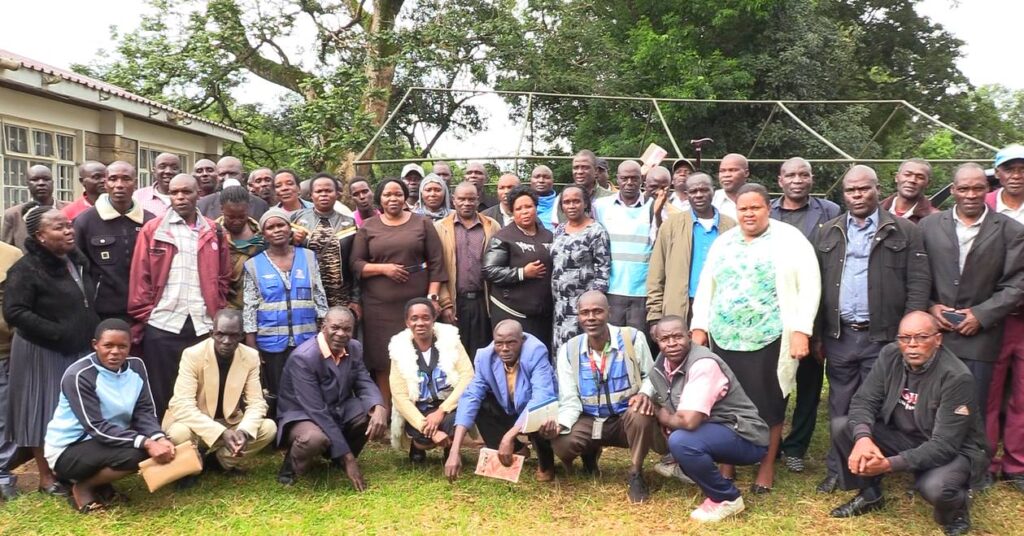
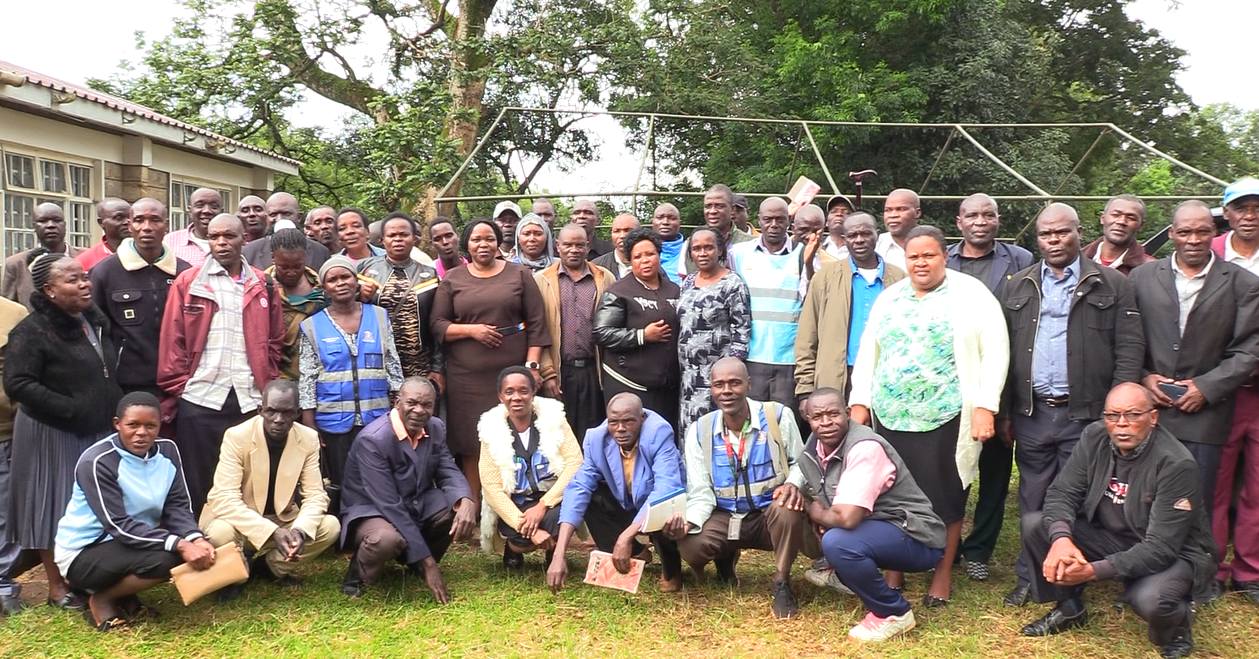
The stakeholders’ meeting concluded with a renewed commitment from county officials, health workers, and development partners to strengthen coordination, align resources, and improve maternal healthcare access across Trans Nzoia County.
📢 Key Commitments from the Stakeholders Meeting:
✔️ Strengthening support for Community Health Promoters
✔️ Enhancing maternal health awareness campaigns
✔️ Improving antenatal clinic attendance and follow-up
✔️ Addressing transport and infrastructure barriers
✔️ Promoting male involvement in maternal healthcare
✔️ Aligning county resources toward maternal health priorities
Health officials reiterated that improving maternal and reproductive healthcare remains central to the county’s efforts to reduce maternal and infant mortality rates while ensuring healthier communities.
Focus Shifts Toward Accessible and Inclusive Maternal Care
As Trans Nzoia County intensifies efforts to improve maternal health services, stakeholders emphasized the importance of community involvement, stronger partnerships, and sustained investment in healthcare systems.
✔️ Community Health Promoters recognized as critical frontline workers
✔️ Multi-sectoral partnerships strengthened
✔️ Cultural and economic barriers identified for action
✔️ County budgeting expected to support maternal health initiatives
✔️ Increased focus on timely antenatal care attendance
The county government has reaffirmed its commitment to ensuring that every expectant mother in Trans Nzoia has access to safe, timely, and quality maternal healthcare services regardless of location or economic status.