The County Government of Trans Nzoia department of health has intensified efforts to eliminate Neglected Tropical Diseases (NTDs) by investing in safe water supply and sanitation projects in Keiyo Ward.
Speaking during the documentation of the strides made in the elemination of the NTDs in the County through various intervations t in collaboration with the partners,Trans Nzoia County CECM for Health and Sanitation Christopher Lorot said the department has worked closely with partners and local leadership to reduce bilharzia, Jiggers and intestinal worms cases in Keiyo ward Kwanza Sub County among other wards in the County.
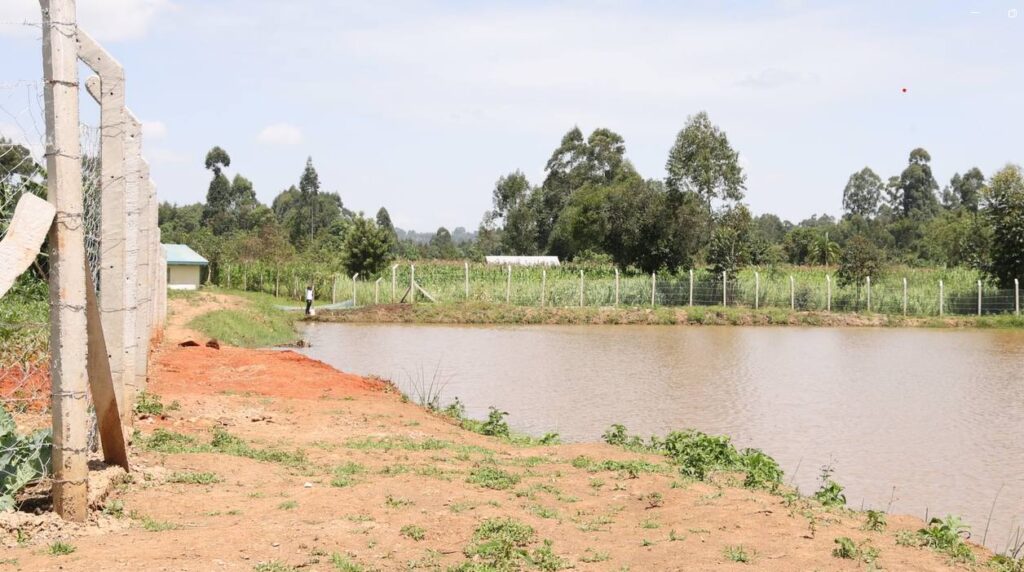
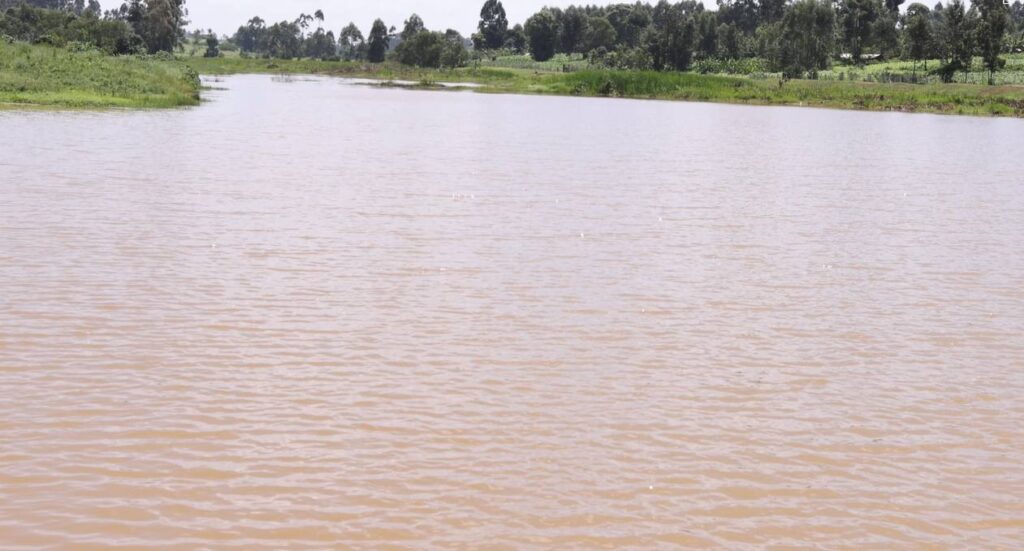
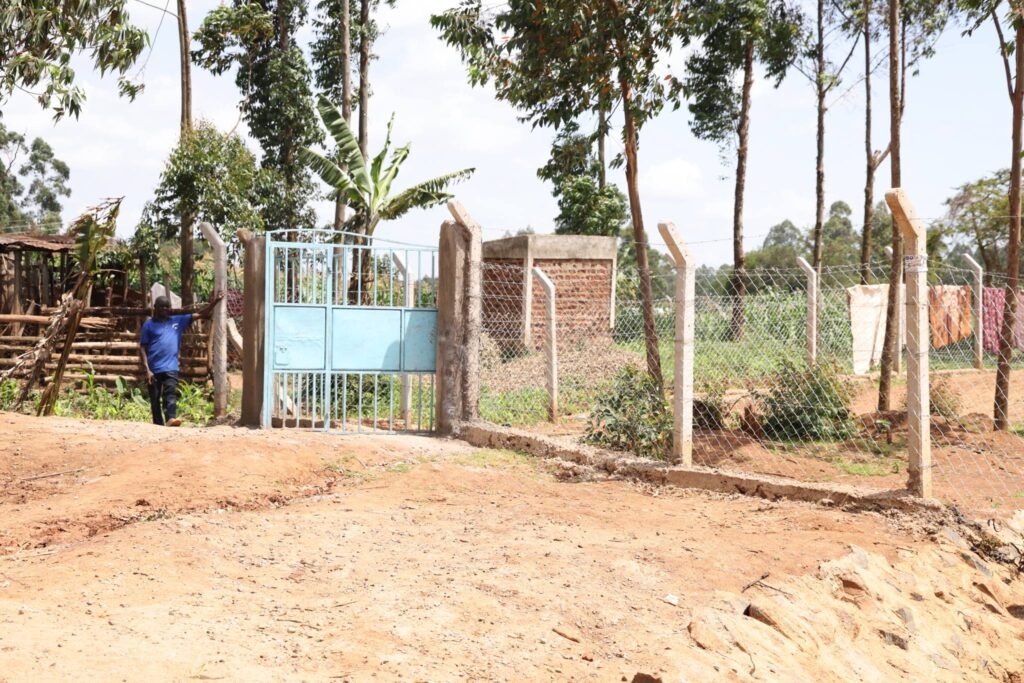
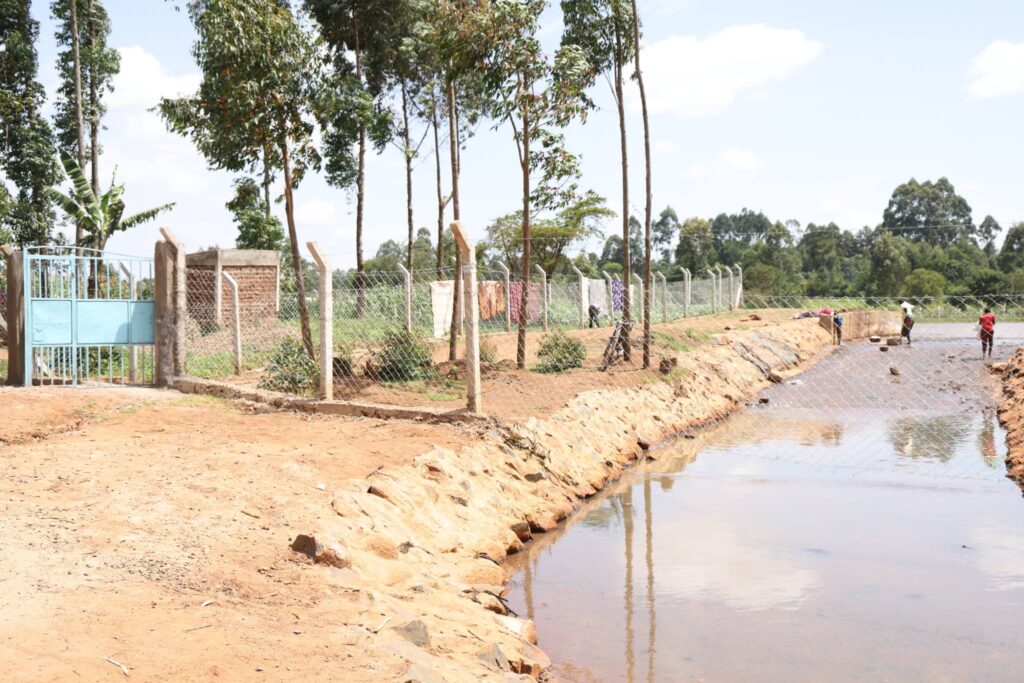
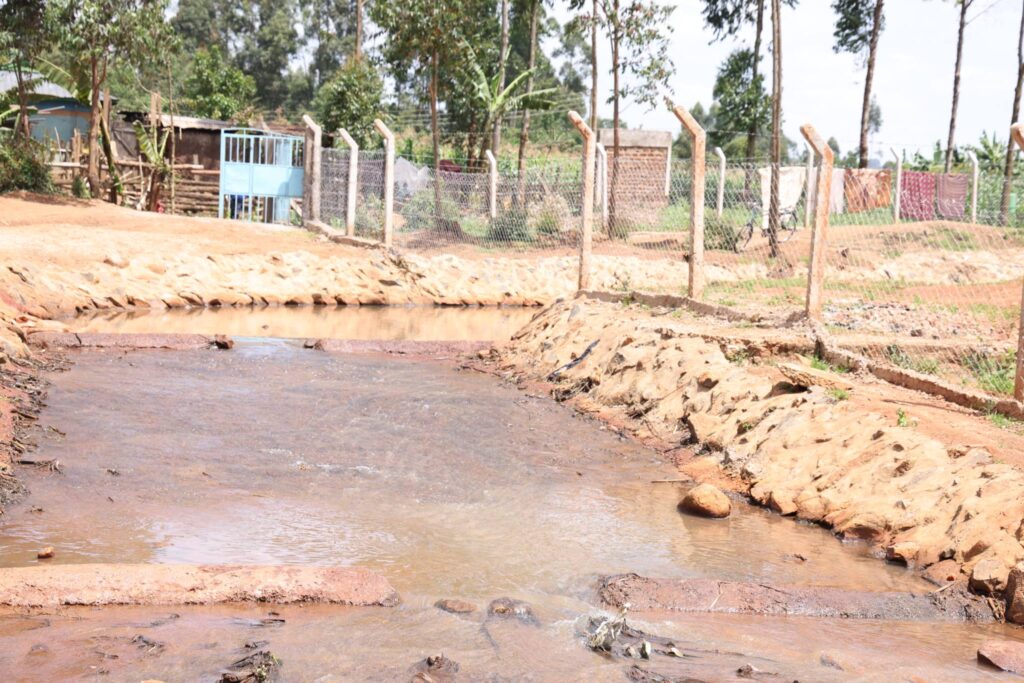
“Keiyo Ward had a prevalence rate of 2% for bilharzia. Through boreholes and rehabilitation of Asegam Dam, the community now has clean water and cases have reduced,” Mr. Lorot said.
He added that the County has established an NTD WASH technical working group bringing together government and non‑governmental partners.
“We meet regularly to monitor health issues. The County Assembly has also allocated Sh3 million for water and sanitation interventions,” he said.
Mr. Lorot said the department has advised procurement of praziquantel tablets to support treatment, and plans are underway to upgrade laboratories to test for bilharzia.
Trans Nzoia County NTD Coordinator Dr. Norbert Wesonga Musundi said the County is preparing key documents including the NTD WASH coordination framework, an anti‑jigger strategic plan, and a school water and sanitation plan.
“We also have the Environmental Health and Sanitation Act of 2022, which is due for adoption by the County Assembly,” Dr. Musundi said.
He applauded partners such as AMREF Health Africa, Global Health Alliance Kenya, End Fund, and the African Institute for Health Development for supporting mass drug administration, sensitization, and behaviour change activities.
“There is a close link between water, sanitation, hygiene and NTDs. Without safe water, we cannot succeed,” he said.
Kwanza Sub County public health officers Mercy Obonyo and Maxwell Kisanya said rehabilitation of Asegam Dam has reduced bilharzia spread.
“The dam was open and children swam there. Now it is fenced and safe,” Mrs. Obonyo said.
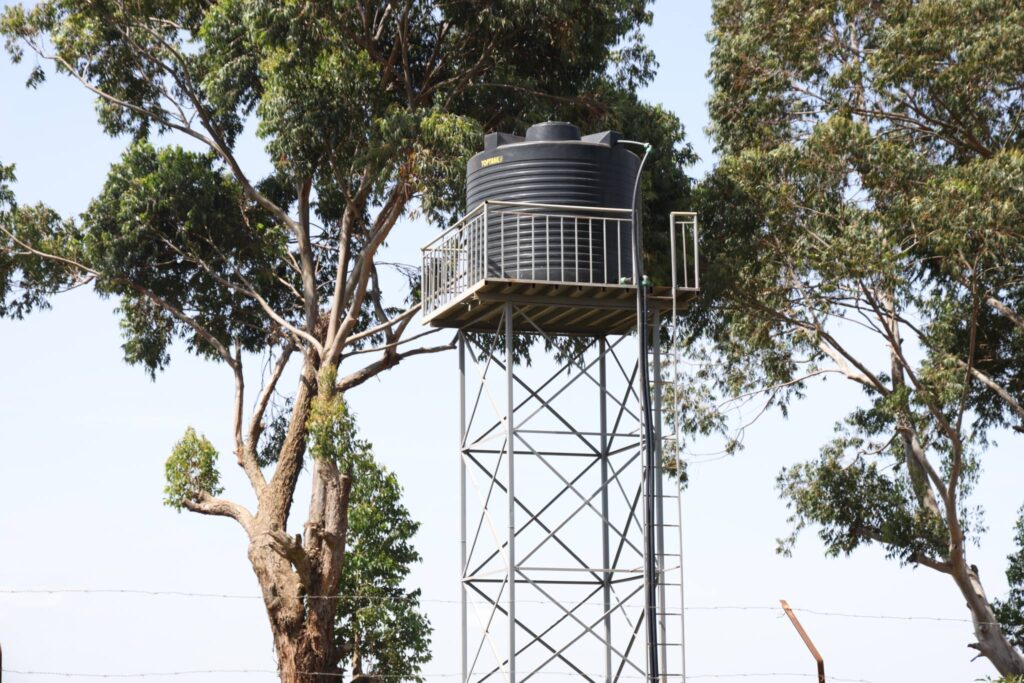
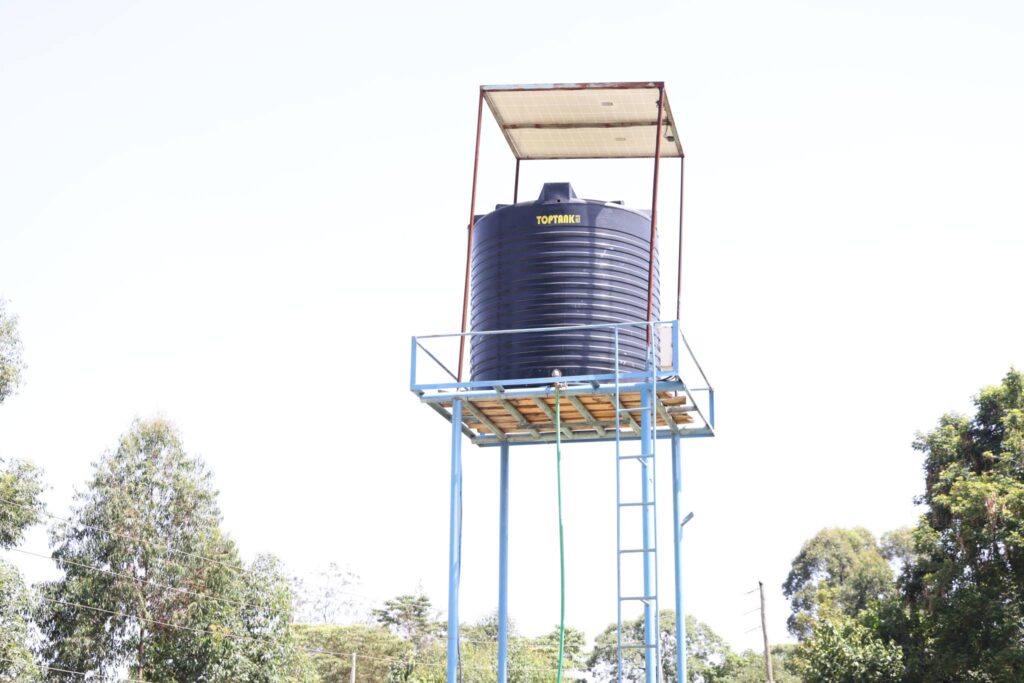
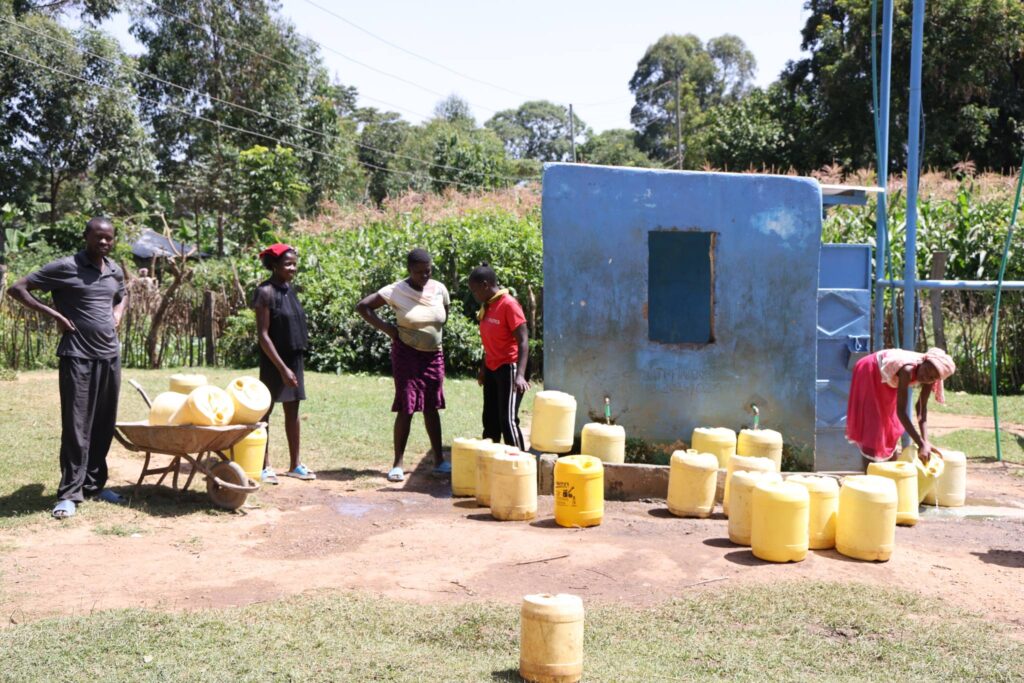
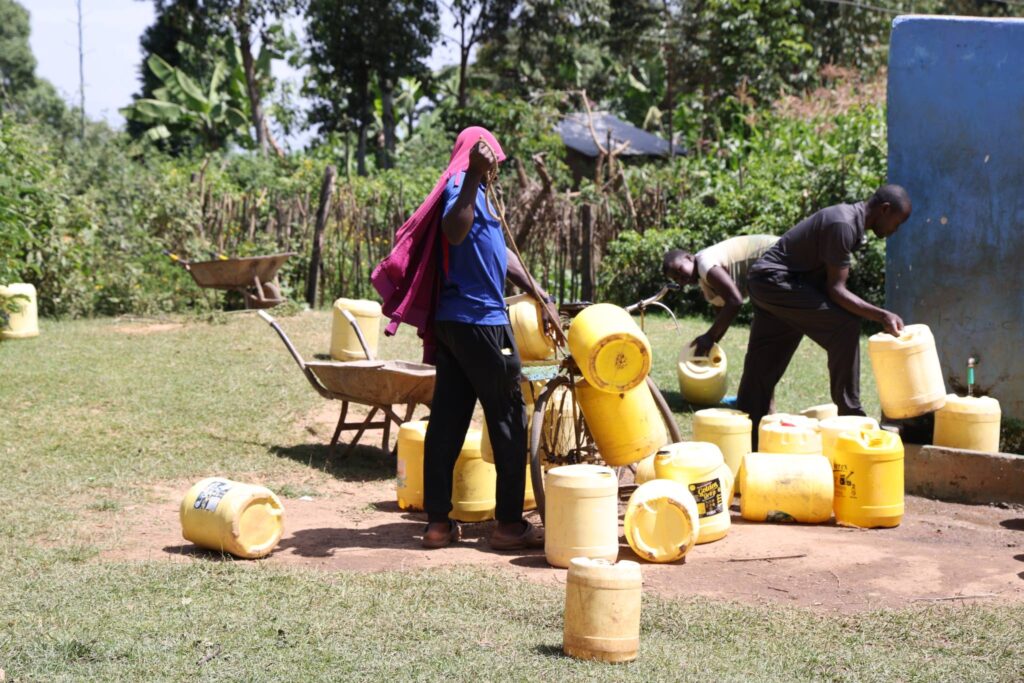
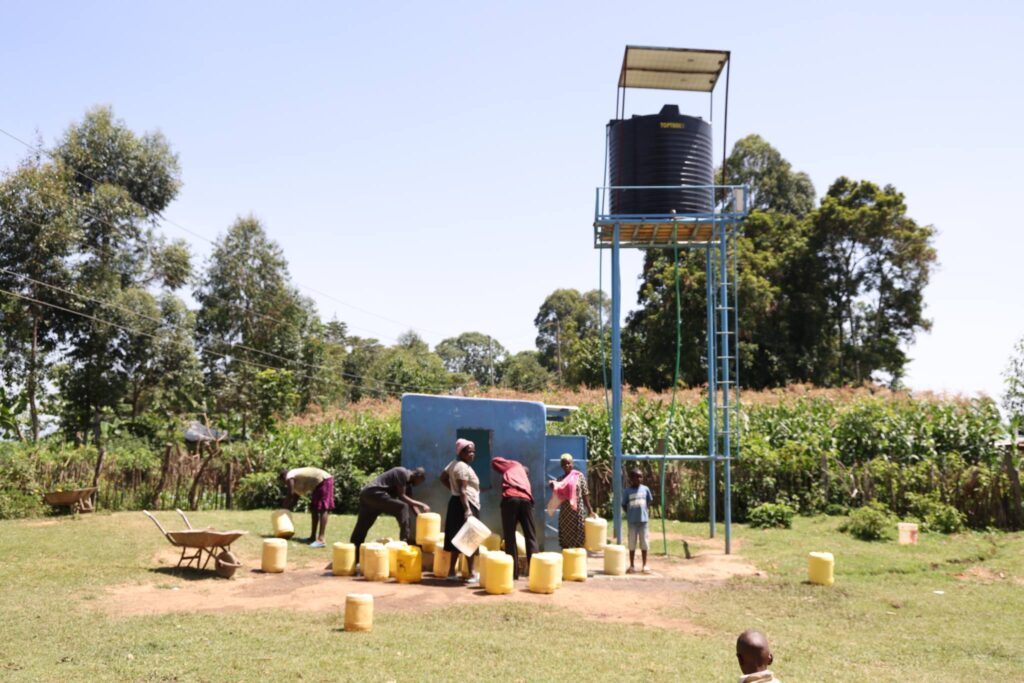
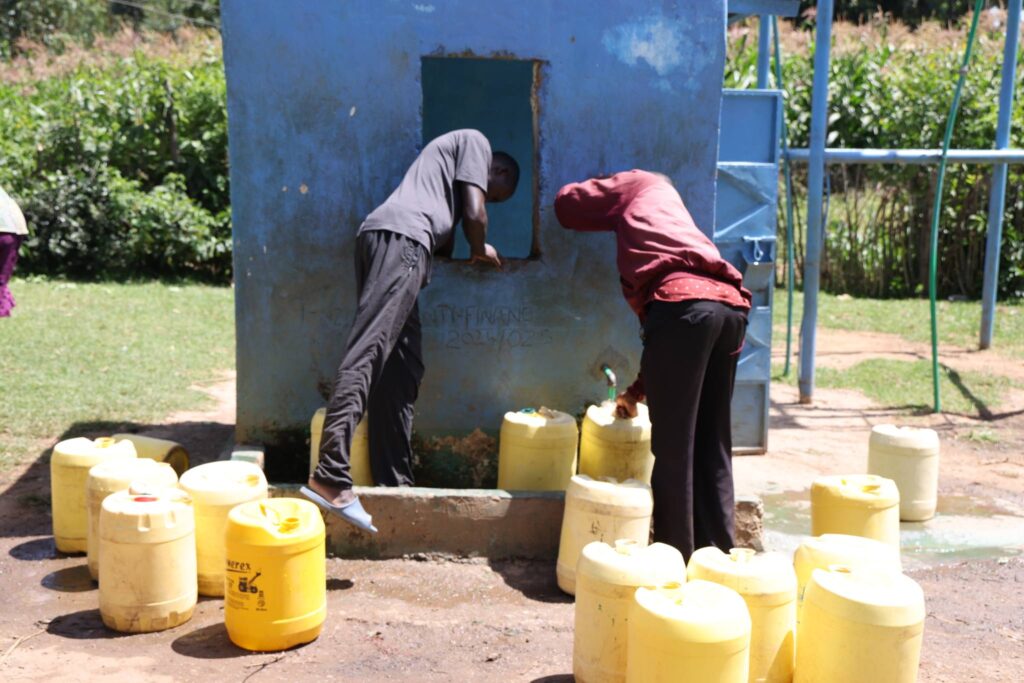
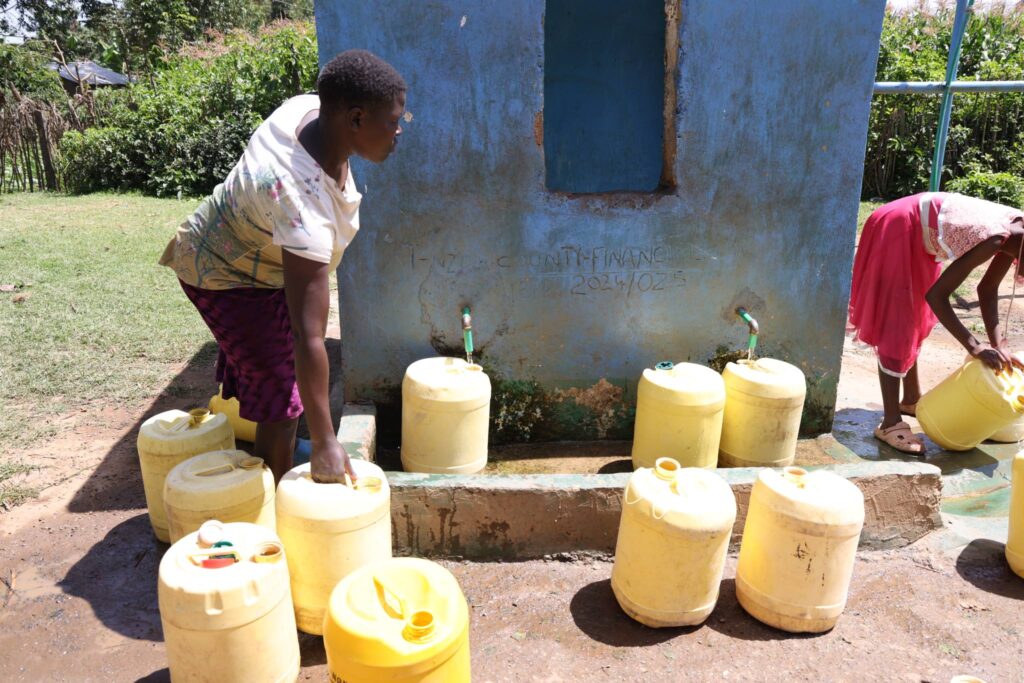
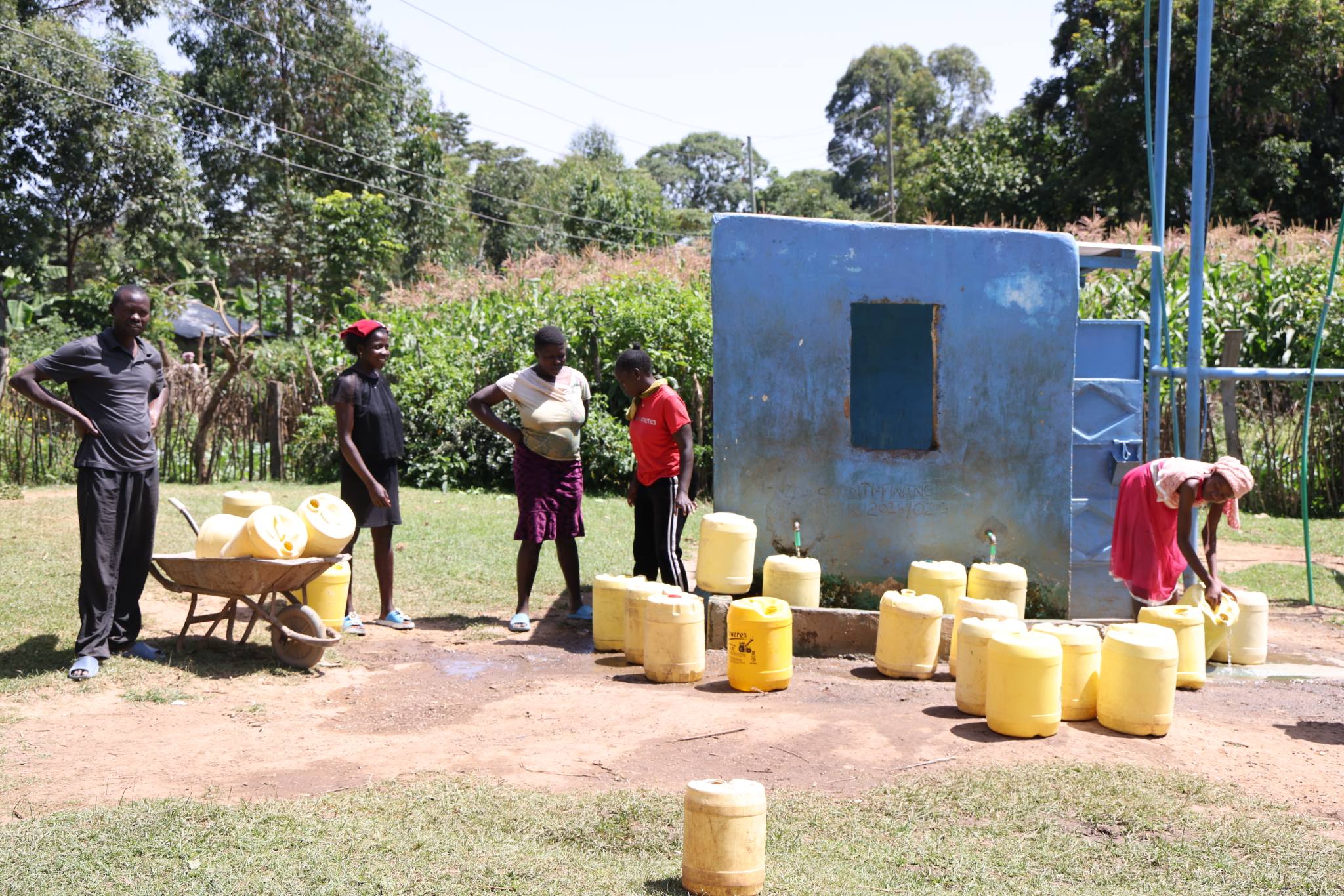
Mr. Kisanya added that a borehole at Keiyo Market now serves over 3,000 households.
“Before, women and children walked two kilometres for water. Today, the community has clean water at their doorstep,” he said.
Mrs. Obonyo noted that the water point also serves Keiyo Dispensary, the police post, and the chief’s office.
A local teacher Irine Mbone Aswani said the project has transformed both the community and school life.
“We used to travel kilometres for water. Pupils missed classes due to stomach problems. Now the school is full and children are healthy,” she said.
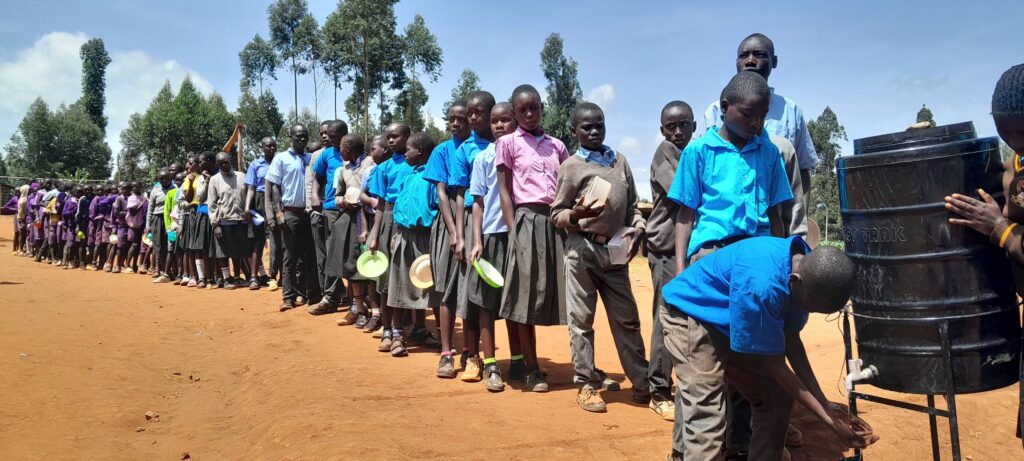
She added that sensitization meetings and school health clubs have strengthened WASH practices.
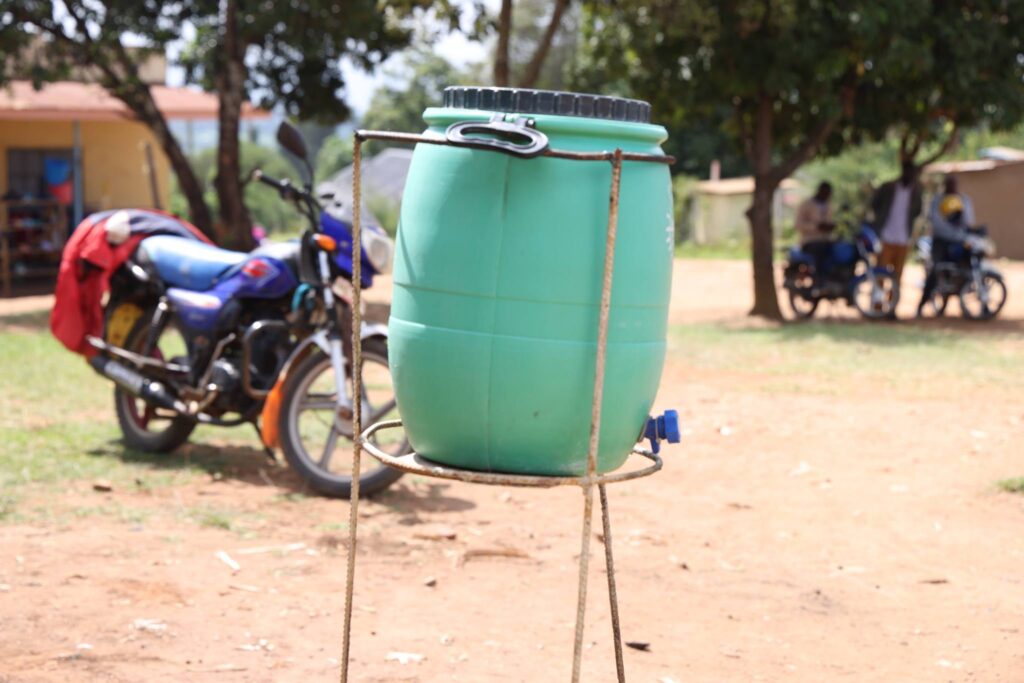
“We have handwashing stations across the school. Pupils wash hands after latrines and before eating. Health has really improved,” she said.
Jackson Omukundi the area community health promoter (CHP) said the community members have taken ownership of the project by contributing monthly for maitance and repairs of the facility
“Even though the water is free, we protect the facility. We want it to last,” Mr Omukundi said.
He called for more collaboration between County, national government, partners and well‑wishers.
“We need more water points to eliminate bilharzia, interstinalworms and other NTDs Safe water is the key,” Mr Omukundi said.
The Partners representative Dr Noelah Awa praised progress made in reducing bilharzia and intestinal worm cases in Trans Nzoia. Awa, said the county has seen big improvements, especially in hygiene and sanitation.
“Initially there were a cases of bilharzia in Keiyo ward, worm and jiggers cases. These were the most prevalent diseases in this county but We have seen great improvements” She noted.